Selecting the right Titanium Hex Socket Set Screws is crucial for many engineering applications. These screws are known for their strength and lightweight properties. This makes them ideal for aerospace, automotive, and cycling industries. However, choosing the best ones can be challenging.
When evaluating Titanium Hex Socket Set Screws, consider their size, thread type, and finish. The right specifications ensure optimal performance in your project. Additionally, quality varies by manufacturer. Not every product labeled as "titanium" meets the same standards.
Understanding the differences in grades and coatings is essential. Frequent mistakes include disregarding these factors, which can compromise results. Pay attention to your specific requirements. This ensures longevity and durability for your application. Making informed choices can significantly impact project success.
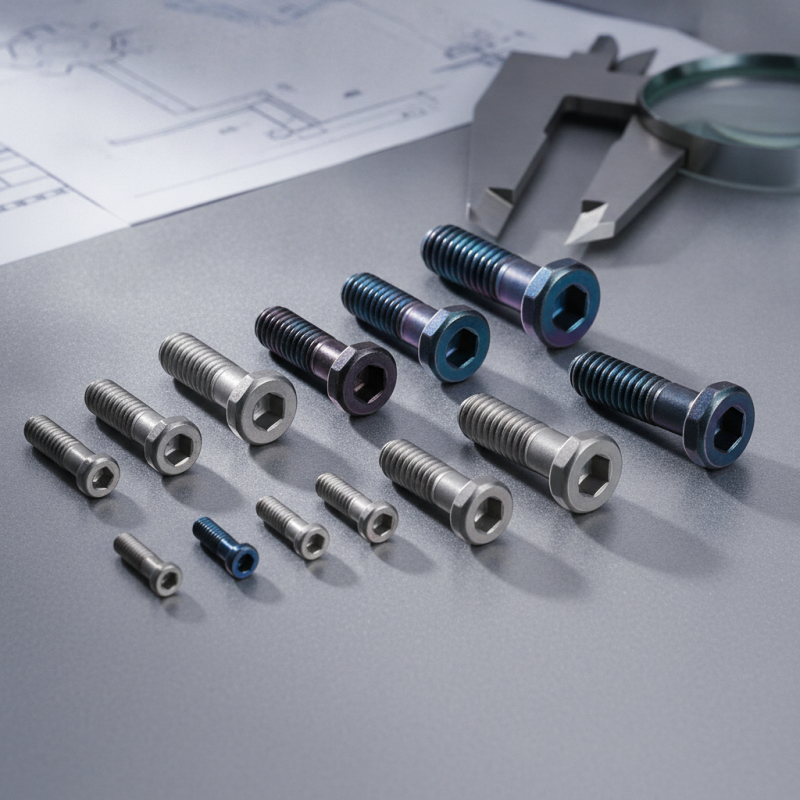
Titanium hex socket set screws provide unique benefits compared to screws made from other materials. Unlike steel or aluminum, titanium offers exceptional strength-to-weight ratios. It is considerably lighter than steel yet can withstand similar loads. This characteristic makes it ideal for applications where reducing weight is essential, such as in aerospace and automotive industries.
Corrosion resistance is another area where titanium shines. It naturally forms a protective oxide layer that shields it from rust and chemical damage. In contrast, steel screws can corrode and weaken over time. This durability allows titanium screws to be used in harsh environments, reducing maintenance needs and increasing the life of the assembly.
However, titanium can be more challenging to work with. It requires specific tooling and techniques for effective installation. Additionally, the cost of titanium is higher than that of traditional materials. Users must weigh these factors before making a decision. While titanium screws excel in various applications, their unique properties may pose challenges when not handled correctly. Understanding these intricacies ensures proper use and maximizes their potential.

When choosing high-quality titanium hex socket set screws, several key factors come into play. Material composition is crucial. Titanium alloys, such as Ti-6Al-4V, are known for their strength and corrosion resistance. Reports show that titanium can be up to 45% lighter than steel, making it an ideal choice for applications where weight is a concern. However, it’s essential to ensure that the screws are manufactured to strict industry standards, which can vary by certification body.
You’ll also want to consider the screw's dimensions and thread design. A thorough understanding of the application can help in selecting the right size and thread pitch. Misalignment between screw and application can lead to failures. According to data from the Fastener Quality Act, improper screw selection is attributed to around 30% of mechanical failures in systems. This statistic emphasizes the importance of precision in selecting the correct components.
Lastly, surface finish can significantly affect performance. Options include anodized or passivated finishes, which enhance durability. However, some coatings may not be compatible with all environments. Conducting proper material compatibility checks is recommended, as assumptions could lead to unexpected failures. Regularly revisiting industry standards can also shed light on emerging technologies, ensuring the best choice for your specific application.
| Factor | Description | Importance Level |
|---|---|---|
| Material Quality | Ensure the screws are made from high-grade titanium for strength and durability. | High |
| Thread Design | Select a screw with a proper thread design to ensure secure fastening. | Medium |
| Heat Treatment | Look for screws that have undergone heat treatment for enhanced strength and resistance. | High |
| Corrosion Resistance | Choose titanium screws known for their natural resistance to corrosion. | High |
| Size and Dimensions | Select screws based on the exact size and dimensions required for your project. | Medium |
| Manufacturing Process | Consider the manufacturing process used, as it can affect the final product quality. | Medium |
| Certifications | Look for screws that meet industry standards and certifications for quality assurance. | High |
| Customer Reviews | Consider feedback and reviews from other users to gauge product reliability. | Medium |
When selecting titanium hex socket set screws, understanding the grade and strength ratings is essential. Titanium screws come in various grades, with Grade 5 and Grade 23 being common. Grade 5 features a tensile strength of about 130,000 psi, making it a robust choice for many applications. In contrast, Grade 23 offers superior corrosion resistance and strength, rated at 150,000 psi. Knowing these specifications helps in choosing the right screws for your project.
Strength ratings can be confusing. Not all titanium screws are created equal. Factors such as heat treatment influence their performance. Some users might overlook these details, leading to potential failures in demanding situations. The environment also plays a role. For example, Grade 5 may not perform well in high-temperature scenarios. It is crucial to evaluate the project’s specific demands. Ensure you understand the particular strengths and weaknesses of each grade.
It is also important to consider the threading and surface finish. These elements affect how well the screw will hold under stress. You might find that a seemingly perfect screw can disappoint due to improper fit or finish. Testing different options can provide valuable insights. Ultimately, choosing the right titanium screws involves a balance between understanding their grades and evaluating their real-world application.
When selecting titanium hex socket set screws, it's crucial to consider the coatings and finishes. These elements significantly impact the screws' performance and longevity. A well-chosen coating can enhance corrosion resistance and improve grip. This is especially important in demanding environments. Some common coatings, like anodizing, provide a layer that helps prevent wear and tear.
Choosing the right finish is just as vital. A smooth finish reduces friction and enhances torque application. In contrast, a rough finish may improve locking but could lead to galling. Therefore, understanding the nature of your application will guide you in selecting the best features for your screws.
**Tips:** Always inspect the coating quality before purchase. A flawed coating may lead to premature failure. Additionally, consider the environmental conditions where the screws will be used. Moisture, salt, and heat can all impact performance. Remember, it's not just about the screw's material but also how it's treated. Ultimately, the right choice can save time and resources in maintenance.
When considering the purchase of titanium hex socket set screws, cost is a significant factor. Titanium screws typically carry a higher price tag than their steel counterparts. This premium is often due to the material's superior properties. Titanium is lightweight, corrosion-resistant, and strong. However, potential buyers must weigh these benefits against their budget constraints.
It's essential to evaluate the project requirements. If your application demands high strength or resistance to environmental factors, investing in titanium is justified. Yet, for less critical applications, a stainless steel option could suffice and save money. Pricing can vary based on quality and supplier, so it's wise to get multiple quotes. This can be a time-consuming process but is often necessary to find the best deal.
Quality often correlates with price, but not always. Some manufacturers might cut costs in production. Always verify the specifications and performance data before deciding. It’s recommended to read reviews or seek feedback from professionals who have used a particular screw type. Ensure the chosen screws meet industry standards for safety and performance.
Please share your email with us to see your results.