How to Choose the Best AGV Vehicle Robot for Your Needs?
In today's fast-paced industrial environment, the right Agv Vehicle Robot can significantly enhance efficiency and productivity. Choosing the appropriate robot is not a simple task. Each business has unique requirements that demand careful consideration. While some organizations prioritize speed, others may need advanced navigation technology.
Understanding your operational needs is crucial. AGV Vehicle Robots come in various shapes and functionalities. For example, some are designed for heavy loads, while others focus on precision tasks. Evaluating these differences will ensure the selected robot aligns with your workflow. Additionally, consider factors such as maintenance needs and software compatibility.
Investing time to research options leads to better outcomes. Seek insights from industry experts and case studies. Be ready to adapt your expectations as you explore this technology. Ultimately, the goal is to find an AGV Vehicle Robot that not only meets current demands but also adapts to future challenges.
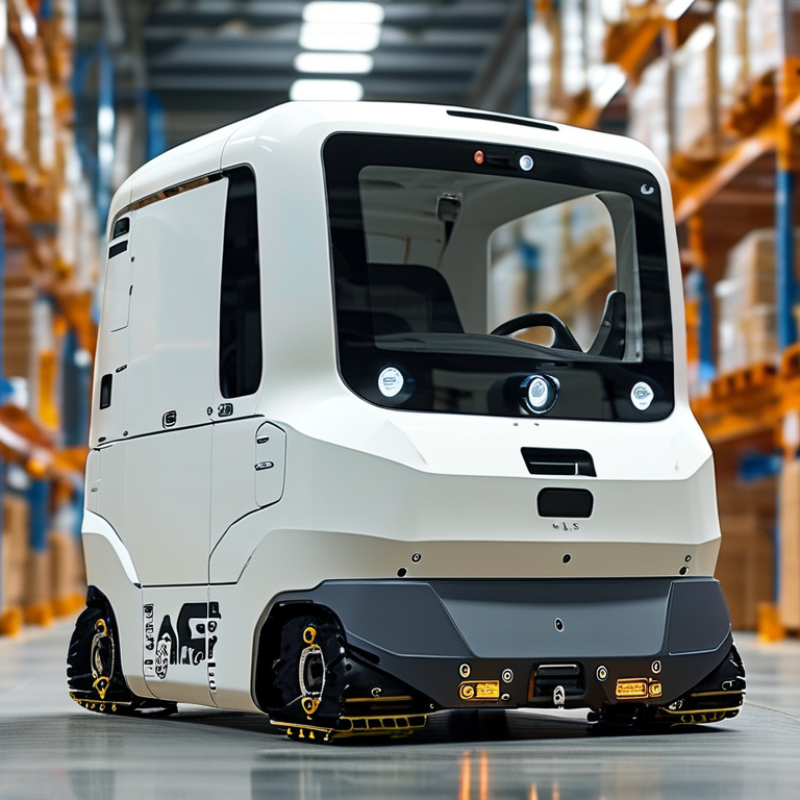
Understanding the Basics of AGV Vehicle Robots
Automated Guided Vehicles (AGVs) are integral to modern logistics and manufacturing. These robots transport materials without human intervention. Understanding the basics can help in making informed choices.
AGV robots come in various types, including tow vehicles, unit load carriers, and hybrid models. A 2022 market report by Research and Markets noted that the AGV market is projected to reach $12.45 billion by 2027, growing at over 15% CAGR. This growth illustrates the increasing demand for automation across industries. Notably, AGVs enhance efficiency, reduce labor costs, and minimize errors.
Choosing the right AGV involves assessing your specific needs. Key factors include load capacity, navigation technology, and environmental conditions. Many AGVs utilize technologies like laser guidance or magnetic strips. Yet, some businesses may find the initial investment challenging. Reflections on system integration and workforce impact are critical. Balancing efficiency gains with potential disruptions will guide companies in their decisions.
Evaluating Your Specific Operational Requirements
When choosing an AGV vehicle robot, it's vital to assess your specific operational needs. Consider the environment where the AGV will be used. Will it navigate busy warehouses, or operate in open manufacturing spaces? Each setting has unique challenges. For narrow aisles, a smaller AGV may be essential. In contrast, larger spaces may require a more robust design.
The load capacity is another critical factor. Determine the weight and size of the items the AGV will transport. If it needs to handle heavy pallets, ensure the robot is built for durability and strength. Think about speed as well. Some tasks may require quicker deliveries, while others can afford slower movement.
Lastly, connectivity plays a role in your decision. Will the AGV need to integrate with existing systems? Consider the software and data requirements. Assess whether real-time tracking is necessary. Balancing these factors effectively can lead to the right choice for your operations. Reflect on past experiences and misconceptions, as they could inform your current decisions.
Comparing Different Types of AGV Technologies
When selecting an Automated Guided Vehicle (AGV), understanding the various AGV technologies is essential. There are several types available, including laser-guided, magnetic, and vision-guided AGVs. Each type has its distinct advantages based on the specific application and environment. Laser-guided AGVs, for example, navigate by detecting laser beams and are highly flexible in dynamic settings. On the other hand, magnetic AGVs are limited to fixed paths but can be very reliable.
Tips: Consider the layout of your facility. AGVs that require a straight path may not suit complex environments. Think about scalability; some systems are easier to update than others. Your choice can depend on whether you prioritize flexibility or precision.
Vision-guided AGVs feature cameras for navigation and offer a modern solution for unpredictable environments. However, they may require more maintenance and expertise compared to older technologies. Reflect on the costs involved in implementation and ongoing support. Maintenance can be an overlooked factor that impacts your overall investment.
Tips: Always evaluate the long-term costs. Factor in downtime and potential training sessions. It’s beneficial to involve your team in the decision-making process. Their insights could reveal practical needs that may not be immediately obvious.
Choosing the Best AGV Vehicle Robot for Your Needs
This chart compares various types of Automated Guided Vehicles (AGVs) based on their key features and applications in different industries. Understanding these parameters can help you select the best AGV suited for your operational requirements.
Assessing Compatibility with Existing Infrastructure
When considering AGV vehicle robots, compatibility with existing infrastructure is crucial. Analyze your current workspace layout. Take note of aisles, shelving, and obstacles. Ensure that the AGV can navigate through your specific environment seamlessly.
Tips: Measure the dimensions of passageways. Assess the height of environments. Small adjustments can make a big difference.
Evaluate the technology already in place. Does your facility use RFID, barcodes, or other tracking methods? Choose an AGV that integrates well with your systems. Incompatibility can lead to costly delays.
Tips: Test integration with a demo unit. This reduces risks associated with the full implementation.
Remember, every facility is unique. Some AGVs might not perform well in tight spaces or crowded areas. Take your time to reflect on specific needs. The right fit goes beyond mere specifications; it requires careful consideration of how it will work with what you have.
How to Choose the Best AGV Vehicle Robot for Your Needs? - Assessing Compatibility with Existing Infrastructure
| Criteria | Description | Importance (1-5) |
| Load Capacity | The maximum weight the AGV can transport. | 5 |
| Navigation Method | How the AGV navigates, e.g., laser, magnetic strip, or vision-based. | 4 |
| Battery Life | Duration the AGV can operate before needing a recharge. | 4 |
| Size & Dimensions | Physical dimensions of the AGV and how they fit in existing layouts. | 3 |
| Safety Features | In-built safety mechanisms like sensors and emergency stops. | 5 |
| Integration Options | Compatibility with existing software and systems. | 4 |
| Cost | Initial purchase price and total cost of ownership over time. | 5 |
Analyzing Cost-Effectiveness and ROI of AGV Solutions
When selecting an Automated Guided Vehicle (AGV), understanding cost-effectiveness and ROI is crucial. A study by the Association for Advancing Automation reveals that companies adopting AGV solutions can achieve a labor cost reduction of 30% to 70%. Additionally, AGVs offer enhanced productivity, with potential increases of up to 40% in material handling efficiency. These metrics illustrate the financial benefits of integrating AGVs into operations.
It's important to assess not just the purchase price, but also the long-term value. Consider maintenance costs and potential downtime. Some reports suggest that well-maintained AGV systems can result in 99% uptime, minimizing losses. However, initial investments can be daunting. Be aware that not every facility may yield the same benefits based on layout and volume.
Tip: Look into case studies relevant to your industry. They can guide you in estimating potential savings. Evaluating total cost of ownership (TCO) can reveal hidden costs that affect ROI.
Tip: Engage with industry experts. They can provide insights tailored to your unique operational challenges. This guidance may help align AGV features with specific goals, ensuring a favorable outcome.