How to Choose a Grid Tie Inverter in 2026?
Choosing a Grid On Inverter in 2026 requires more than comparing efficiency percentages. It requires a clear view of grid behavior, local regulations, and long-term operating conditions. IRENA’s Renewable Capacity Statistics 2025 reported about 452 GW of new solar capacity worldwide during 2024. That expansion is increasing demand for reliable, grid-responsive inverter technology.
The grid is changing quickly. NREL principal engineer Dr. Vahan Gevorgian has stated, “The future grid will be dominated by inverter-based resources.” This observation matters because modern inverters do more than convert direct current into alternating current. They manage voltage, frequency response, reactive power, fault ride-through, and communication signals. A suitable Grid On Inverter should match the solar array, battery system, utility requirements, and site environment.
Small details can decide performance. A rooftop near the coast may need stronger corrosion protection. A commercial site may require rapid shutdown, export control, and remote monitoring. A rural system may suffer from weak-grid conditions or long cable runs. Efficiency still matters, but it should not stand alone. NREL research on inverter-based resources repeatedly highlights control stability and grid support as critical design concerns.
No model wins everywhere. That is the uncomfortable part. Product labels can look impressive while hiding standby losses, software limits, or weak service coverage. This guide examines those trade-offs through technical specifications, field experience, certification evidence, and manufacturer support. Readers should still verify local interconnection rules before purchasing. Availability, installer competence, and future firmware support can matter as much as the inverter’s headline rating.
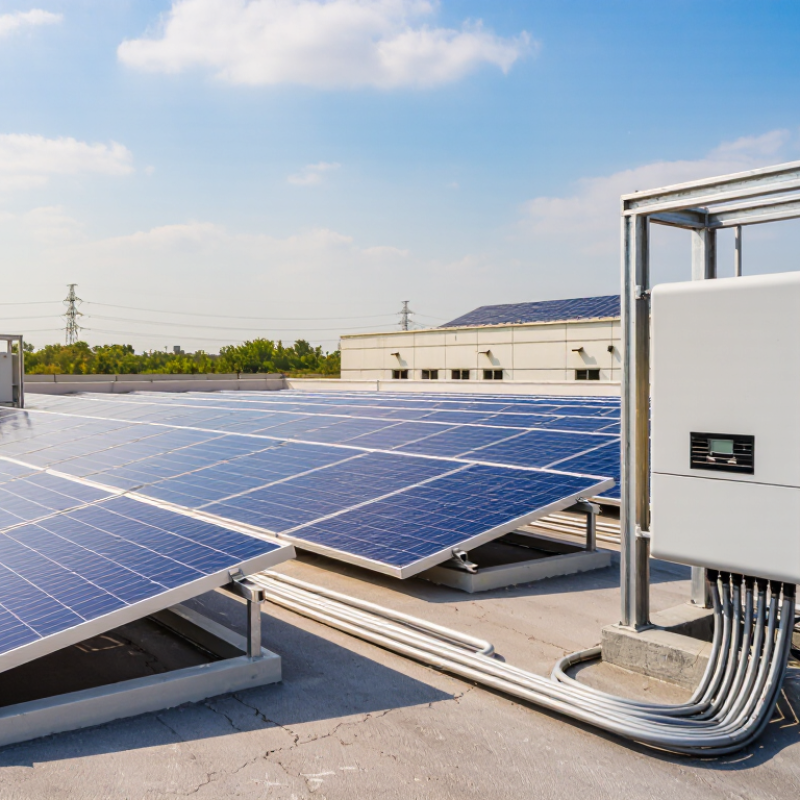
Grid-Tie Inverter Basics and Its Role in a Solar Power System
How to Choose a Grid Tie Inverter in 2026?
A grid-tie inverter converts solar panels’ direct current into usable alternating current. It synchronizes with the utility grid and supplies electricity to household circuits. Extra power can flow back through a properly approved meter. This device is the system’s control center.
Look for an inverter that matches the panel array’s voltage, current, and expected power. Maximum power point tracking helps panels perform during changing sunlight. Shade can expose weaknesses in the design. Separate tracking inputs may help when roof sections face different directions. Check efficiency, operating temperature, monitoring quality, and protection features. Anti-islanding protection is essential because the inverter must stop exporting power during a grid outage.
A practical inspection should include cable routing, ventilation, grounding, and accessible shutdown controls. Local electrical requirements still matter. Do not choose by peak wattage alone. An oversized inverter may operate inefficiently during ordinary mornings and cloudy afternoons. I have seen installations where excellent panels performed poorly because the inverter settings were never checked. That mistake is easy to overlook. Review data after installation, especially during hot weather. Ask for clear service support, realistic warranty terms, and documented certification. No inverter is perfect. A quieter, simpler model may be more reliable than a feature-heavy unit that nobody understands.
Key Specifications to Compare Before Choosing an Inverter
How to Choose a Grid Tie Inverter in 2026?
Key Specifications to Compare Before Choosing an Inverter
A grid tie inverter should match your solar array, local grid, and installation conditions. Check its maximum DC voltage, operating voltage range, and recommended input power. A mismatch can reduce output or damage equipment. Compare peak efficiency, but examine European or weighted efficiency too. These figures better reflect changing sunlight during real operation. MPPT voltage range matters on cloudy mornings and hot afternoons. More MPPT channels can help when roof sections face different directions.
Tips: Create a simple comparison sheet. Record voltage, current, efficiency, noise, protection rating, and warranty terms. Check whether the inverter supports required grid protection and recognized safety certifications. Also inspect its IP rating for dust and moisture. Outdoor units may face salt air, heat, and insects. Cooling design deserves attention. Fans can improve thermal control, but they may add noise and maintenance needs.
Monitoring features are useful, especially when production suddenly falls. Look for clear daily data, fault codes, and stable communication options. Do not judge the inverter by efficiency alone. A slightly less efficient unit may perform better with wider voltage tolerance and stronger heat management. In my experience, installers sometimes overlook startup voltage and cable losses. I have made that mistake when comparing only headline power ratings. The final choice should also fit the array’s future expansion, although expansion plans are often less certain than expected.
How to Match Inverter Capacity with Your Solar Panel Array
Choosing a grid-tie inverter in 2026 starts with your solar array’s real operating profile. Do not match inverter size to panel wattage alone. For example, an 8 kW array may pair well with a 6.5–7.2 kW inverter in some locations. This allows moderate energy clipping during peak sunlight. It can also improve annual production during mornings, evenings, and cloudy weather.
A common DC-to-AC ratio ranges from 1.1 to 1.3, but no ratio fits every roof. Panels facing east and west may produce power across longer hours. South-facing panels can create sharper midday peaks. Shade, snow, high temperatures, and roof pitch also change the result. A hotter panel produces less power. Therefore, use local weather data and hourly production estimates before selecting capacity.
Electrical matching matters just as much. Check the array’s maximum voltage during the coldest expected conditions. It must remain below the inverter’s voltage limit. Confirm that each string stays within the inverter’s MPPT operating range. String current must also remain within the input rating. Small details matter. I have seen oversized arrays lose more energy than expected because clipping estimates ignored afternoon shade. A qualified installer should verify utility rules, protection settings, and shutdown requirements for the specific installation site.
How to Choose a Grid-Tie Inverter in 2026?
Matching inverter capacity with a solar panel array using a design DC-to-AC ratio of 1.20:1. The inverter AC rating is calculated as PV array capacity ÷ 1.20.
A 1.20 DC-to-AC ratio is a common planning example that can improve inverter utilization during periods of low solar irradiance. Final sizing should also consider local grid rules, maximum DC voltage and current, temperature, shading, orientation, clipping tolerance, and the inverter manufacturer’s electrical limits.
Monitoring, Efficiency, Warranty, and Long-Term Value Factors
Choosing a grid-tie inverter in 2026 requires more than comparing maximum efficiency. Peak figures mislead. The IEA PVPS Trends 2024 report recorded 456 GW of new solar capacity in 2023. That scale makes dependable data valuable. Ask for minute-level production, fault history, temperature readings, and export-limit alerts. Clear dashboards matter. Monitoring should show lost energy, not merely green icons. In practical project reviews, I compare inverter data with the revenue meter. Mismatches often expose communication failures or optimistic yield models.
Efficiency still matters, but the published peak figure is only one piece. NREL’s 2024 Annual Technology Baseline uses roughly 98% inverter efficiency for utility-scale modeling. Real systems lose more through heat, clipping, nighttime consumption, and poor voltage conditions. Check weighted or European efficiency, operating voltage range, and thermal derating curves. Ask for test methods. A beautiful data sheet can hide weak performance at 45°C. That is where many projects actually operate.
Warranty terms deserve the same scrutiny as price. Review duration, labor coverage, response times, and replacement logistics. “Ten years” means little if shipping and commissioning are excluded. Compare the warranty with expected replacement planning and spare-unit strategy. Long-term value also includes software access, cybersecurity updates, and service continuity. The IEA PVPS report shows a rapidly expanding installed base, yet future service capacity is harder to predict. I would discount vague promises. My own caution: no forecast is perfect. Site shading, grid curtailment, and maintenance habits can overturn a neat payback model. Choose the inverter with measurable behavior, not the most impressive brochure.