Choosing the right Panel Light can significantly impact your space. When selecting a panel light, consider both aesthetics and functionality. The wrong choice may lead to poor lighting or an awkward atmosphere.
Evaluate the size and layout of your room. A large area may require multiple panel lights, while a small space benefits from a singular, well-placed fixture. Think about color temperature too. Warmer tones create a cozy feel, while cooler lights promote focus and energy.
Don't overlook the installation process. Some panel lights are easy to install, while others need professional help. Research the options available to ensure you find a reliable product. Customer reviews can be helpful. They always provide insights into real-life performance. However, be cautious; not every review reflects the truth. Reflect on your specific needs, as preferences vary greatly among users.
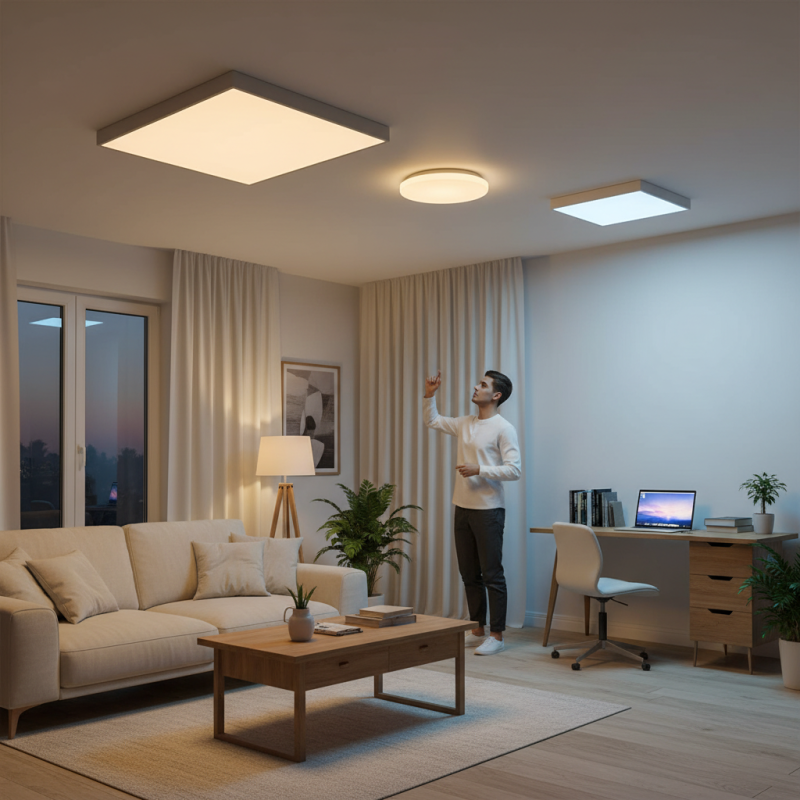
When selecting a panel light, it’s essential to understand the different types available. Panel lights come in various shapes, styles, and sizes. Each type serves specific purposes and environments. For example, recessed panel lights are popular for office spaces. They are sleek and blend seamlessly into the ceiling.
Surface-mounted panel lights are versatile and can be installed almost anywhere. They work well in homes and commercial spaces. Another option is edge-lit panel lights, which provide a uniform light without the hotspot. How you plan to use the light will determine the best type.
Consider the color temperature and brightness before making a decision. Warmer temperatures are inviting for living spaces. Cooler temperatures enhance focus in work areas. It’s also wise to evaluate energy efficiency and lifespan. Choosing the right panel light may require research and experimentation. Keep in mind that personal preferences play a role.

When selecting panel lights, several key factors determine which option best suits your space. First, consider the lumen output. A typical office requires about 300-500 lumens per square meter. Insufficient lighting can lead to eye strain. The color temperature also plays a crucial role. A range of 3000K to 4000K is often ideal. Warmer tones create a cozy atmosphere, while cooler tones enhance alertness.
Another important aspect is energy efficiency. The U.S. Department of Energy states that LED lights consume up to 75% less energy than traditional bulbs. This efficiency not only reduces utility bills but also decreases environmental impact. Pay attention to the fixture's design. A sleek, modern aesthetic can enhance a space's overall look. Make sure the light distribution meets your specific needs. Uneven lighting can cause uneven focus, leading to decreased productivity.
Lastly, consider installation requirements. Simple-to-install products save time and labor costs. Yet, improper installation can lead to safety hazards, making professional help a wise option. Look for options with user reviews and expert recommendations. This way, you'll gain insights into products' reliability and performance. Reflect on the ongoing maintenance needed for each type. Some fixtures require more upkeep, resulting in hidden costs over time.
Choosing the right brightness and color temperature is essential for panel lights. Brightness is measured in lumens. High lumen ratings offer more light. A common recommendation is 100 lumens per square foot for general spaces. Yet, this varies by task. Areas like kitchens may require brighter lighting. The International Association of Lighting Designers emphasizes tailoring brightness to specific needs.
Color temperature, measured in Kelvin, impacts mood and functionality. Warmer lights, around 2700K, create a cozy feel. They often suit living rooms and bedrooms. Cooler lights, around 5000K, enhance focus. These are ideal for workspaces and task areas. The American National Standards Institute suggests selecting lights matching the space's purpose.
One size does not fit all. Many people ignore these details. A poorly lit room can lead to eye strain. Overly bright lights can be harsh and uninviting. Understanding individual preferences can improve comfort. It's important to experiment with brightness and color temperatures, making adjustments as needed. Every space has unique lighting requirements to consider.
When selecting panel lights, energy efficiency and lifespan are critical factors to consider. Energy-efficient lights consume less electricity, leading to substantial savings on utility bills over time. Look for lights with high lumens per watt ratings. Such lights offer bright illumination without excessive power use. Make sure to check the wattage on the packaging, as lower wattage often means better energy efficiency.
Lifespan is another key aspect. Higher quality panel lights typically last longer, reducing replacement frequency. Many models claim to last for 50,000 hours or more. However, this varies based on usage and environmental conditions. Factors like heat and humidity can impact their lifespan. It’s important to assess the living or working space where lights will be installed.
Prioritize reliable information when choosing lights. Research various models and their specifications. Online forums and reviews from experienced users can provide valuable insights. Pay attention to how these products perform over time. Observing user feedback can help understand possible shortcomings. This approach allows for informed decisions tailored to your specific needs.
When considering installation options for panel lights, it's crucial to assess your space. Do you have high ceilings? Suspended fixtures might be your best choice. If it's a low ceiling, flush mounts could be more appropriate. Each style affects the ambiance differently, transforming how a room feels and looks.
Additionally, evaluating value for money goes beyond just the initial purchase. Consider the energy efficiency of the panel lights. LED options often save you money over time. But there's a trade-off; sometimes, cheaper lights might have shorter lifespans. Researching the durability is imperative. Will your chosen lights withstand regular use?
Think about installation effort as well. Some lights can be DIY-friendly, while others may require professional help. This can significantly impact overall costs. It's essential to weigh convenience against potential expenses. Each decision shapes your outcome and reflects your unique needs.
Please share your email with us to see your results.