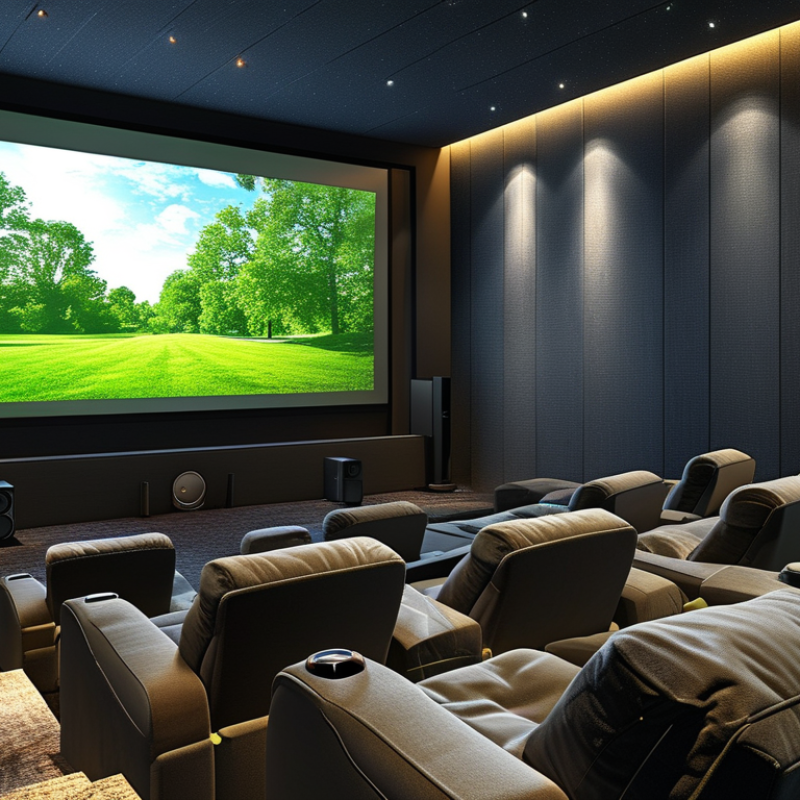
Why Choose a LED Projector for Your Home Theater Experience?
Creating a home theater experience involves many choices. One of the most impactful decisions is selecting the right display technology. An LED projector stands out as a compelling option. With vibrant colors and high contrast ratios, it can transform your living space into a cinematic oasis.
LED projectors come with various sizes and features. They offer flexibility in setup, making them suitable for different rooms. Their lightweight design means you can easily move them where needed. Additionally, LED projectors often boast longer lamp life compared to traditional options. This reliability can save you money and maintenance time.
However, it's essential to assess your space and preferences before making a purchase. Not all LED projectors fit every environment perfectly. Understanding your needs will lead to a more satisfying experience. Investing in the right LED projector can enhance your movie nights and elevate your entertainment journey.
Benefits of LED Technology in Projectors
LED projectors offer unique advantages for a home theater experience. One major benefit is energy efficiency. LED projectors consume less power compared to traditional models. This means lower electricity bills, which is beneficial in the long run. Additionally, LED technology provides vibrant colors and deep contrasts. This enhances the viewing experience, making movies more immersive.
Tips: Ensure your room has minimal ambient light. This helps maximize the projector's brightness and color accuracy. Consider the screen size. A well-chosen screen can significantly improve picture clarity.
Another notable advantage of LED projectors is longevity. The LED bulbs can last up to 20,000 hours. This reduces the need for frequent replacements, saving time and money. However, it’s important to note that not all LED projectors are created equal. Some models might have poorer brightness levels, affecting performance.
Tips: Check specifications before buying. Look for reviews and ratings from trusted sources to guide your choice. Regular maintenance can also enhance projector performance over time.
Comparing LED Projectors to Traditional Models
LED projectors offer significant advantages over traditional models, particularly in terms of brightness and color accuracy. Studies show that LED projectors can produce up to 30% more vivid colors than their halogen counterparts. This is crucial for home theater enthusiasts seeking immersive experiences. The 2023 Technology Insights report indicates that LED projectors have a color gamut coverage of 90%, while typical lamp projectors reach only 70%. This difference is not negligible for viewers who value realistic and rich visuals.
Moreover, LED projectors tend to have longer lifespans, often exceeding 20,000 hours of use. Traditional lamps require frequent replacements, averaging just 2,000 to 5,000 hours. This replacement cycle can become a hassle and an added cost. However, the initial investment in LED technology might seem higher. Users need to weigh long-term savings against upfront costs. Many consumers overlook the importance of maintenance expenses when selecting a projector.
In terms of energy efficiency, LED projectors consume significantly less power. Reports indicate they use about 25% less electricity than traditional models. While the upfront price may raise eyebrows, the lower energy bills and minimal maintenance make LED projectors a better choice over time. Issues like brightness drop in traditional projectors can be frustrating. These factors make it essential for consumers to reflect on their usage needs, as not all technologies suit every viewing environment.
Cost-Effectiveness and Energy Efficiency of LED Projectors
When considering a home theater setup, LED projectors stand out for their cost-effectiveness and energy efficiency. A report by the U.S. Department of Energy reveals that LED lighting consumes up to 75% less energy than traditional incandescent bulbs. This efficiency translates well into projectors, offering long-lasting performance without the energy drain.
Many users underestimate the longevity of LED projectors. They can last over 20,000 hours, compared to about 2,000 hours for standard lamps. This not only reduces replacement costs but also minimizes waste. Research shows that users save approximately $200 annually in energy bills when upgrading to LED technology. These savings accumulate over time, making the initial investment worthwhile.
Another aspect is maintenance. LED projectors require less frequent bulb changes, which can be both time-consuming and costly. Users must consider the environmental impact as well. Fewer bulb replacements mean less electronic waste, contributing to a more sustainable entertainment choice. While many enjoy the cinematic experience at home, some might overlook the longer-term benefits of choosing an energy-efficient option.
Setting Up an LED Projector for Optimal Home Theater Use
Setting up an LED projector for your home theater can elevate your viewing experience. Choosing the right location is essential. A dark room enhances image quality. Ensure no direct sunlight hits the screen. Remember, ambient light can wash out colors.
Placement matters too. Position the projector at the correct distance from the screen. This affects image size and clarity. Use adjustable mounts for flexible positioning. A bit of trial and error may be needed here. You might find the optimal height is not where you expected.
Calibration shouldn't be overlooked. Adjust brightness and contrast according to your space. Watching content may reveal unwanted glare or muted colors. Take time to tweak settings to match your preference. Don't hesitate to seek guidance from online resources. Personal adjustments can make a significant difference. Each setup has its unique challenges, but patience will pay off.
Brightness Levels of LED Projectors
This bar chart displays the distribution of LED projectors based on their brightness levels measured in lumens. As seen in the chart, most projectors fall within the medium to high brightness categories, making them suitable for various home theater settings.
Enhancing Image Quality and Color Accuracy with LED Projectors
When creating a home theater, image quality is paramount. LED projectors stand out for their vibrant colors. Their advanced technology allows for a wider color gamut, enhancing every movie or game night. Imagine watching a fantasy film where the vivid greens of a forest and the rich blues of a magical sky visually pop. This level of color accuracy brings depth to the viewing experience.
Another benefit is the longevity of an LED projector. Unlike traditional bulbs, LED lights last much longer. This means less frequent replacement and lower maintenance costs. However, the initial investment can be higher, which might deter some users. There’s also the learning curve; adjusting settings for optimal performance can take time.
Combining brightness with contrast, LED projectors deliver remarkable clarity. Dark scenes in movies become more detailed, revealing nuances often lost in standard projectors. But, achieving the perfect setup may require trial and error. Room lighting and screen choice also affect performance. Users must be willing to experiment to find the best configuration.