How to Choose the Best Rail Noise Absorber for Your Needs?
Selecting the right Rail Noise Absorber is essential for effective sound management. Rail noise can disrupt the tranquility of both urban and rural environments. When train vibrations travel through the air and ground, they create both audible noise and vibrations. This can be distressing for residents and businesses near rail lines.
Understanding your specific noise issues is critical. Not all rail noise absorbers have the same effectiveness. Some materials perform better in certain environments than others. For instance, concrete barriers may be suitable for highways but less effective for residential areas. There are also product variations, from soundproof panels to more advanced acoustic treatments. This diversity makes it challenging to choose the best fit.
Evaluating your needs is an ongoing process. Consideration for budget, installation, and maintenance also plays a vital role. It's not just about absorption, but also about aesthetics and integration into the surroundings. Sometimes, the choices may not fully meet expectations, leading to further reflection. A thoughtful approach can help ensure you choose a solution that truly addresses your noise concerns.
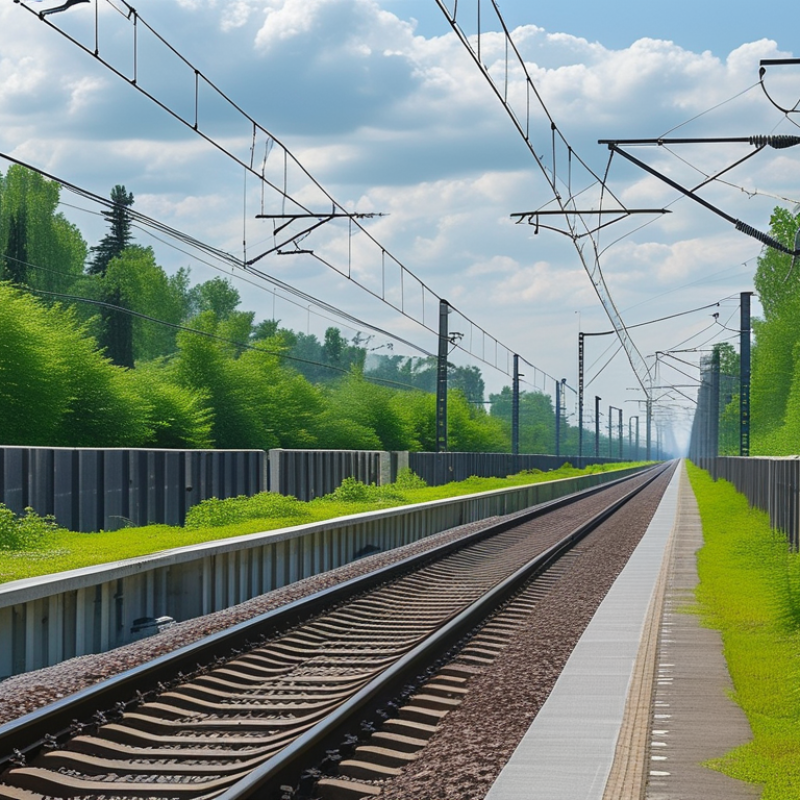
Understanding Rail Noise and Its Impact on Surrounding Areas
Rail noise significantly impacts communities near train tracks. According to the World Health Organization, prolonged exposure to noise levels over 55 decibels can lead to adverse health effects. This includes increased stress levels, sleep disturbances, and even cardiovascular issues. Effective rail noise control is essential for maintaining a healthy living environment.
Research published by the American Council for an Energy-Efficient Economy indicates that rail noise can affect property values. Homes located near busy railway lines can lose between 5% to 15% of their market value. Communities often seek noise absorbers to mitigate these effects. The right choice of material can reduce noise by up to 20 decibels, significantly enhancing residents' quality of life.
It’s vital to choose rail noise absorbers that align with specific needs. Each material has unique properties that influence its effectiveness. For example, porous materials can absorb sound more effectively at certain frequencies. However, they may require more maintenance. Not all solutions guarantee long-term effectiveness. Therefore, assessing durability against noise reduction performance is crucial. Choosing the right railway noise control solution can seem daunting but is necessary for well-being.
Types of Rail Noise Absorbers Available on the Market
When selecting a rail noise absorber, understanding the types available is crucial. The market offers several options. Common types include foam panels, mass-loaded vinyl, and resilient channels. Each type has unique properties that cater to specific needs. For instance, foam panels are lightweight and effective for mid to high-frequency sounds. According to the International Journal of Noise Control Engineering, foam can reduce noise levels by up to 30 decibels in certain applications.
Mass-loaded vinyl, on the other hand, provides effective sound isolation. It is denser and often used in areas with significant low-frequency noise. Studies show it can block noise transmission up to 90%. However, its installation can be more complex, requiring professional assistance. Some users report challenges in achieving a seamless installation due to its weight and flexibility.
Resilient channels can also mitigate noise transfer. They decouple drywall from framing, creating an air gap. This small gap can significantly lower sound transmission. However, experts note that the effectiveness can vary greatly based on installation accuracy. In practice, misalignment can lead to insufficient performance. Professionals recommend careful planning and execution to maximize benefits. Understanding these types ensures better decision-making based on individual needs and conditions.
Key Factors to Consider When Choosing a Rail Noise Absorber
Choosing the right rail noise absorber is crucial for effective sound management. Noise reduction materials vary in design and effectiveness. Consider the specific noise frequencies you need to mitigate. Some absorbers perform better with high-frequency sounds, while others tackle lower frequencies more effectively.
Material composition plays a significant role in how well a rail noise absorber performs. Look for products made from dense, resilient materials that can absorb sound waves properly. Manufacturers may use innovative blends of materials to enhance performance. This can impact the durability and maintenance needs of the absorber.
It's essential to evaluate the installation process as well. Some products require professional installation, which can add to the overall cost. Others are designed for straightforward DIY applications. Understand your space limitations and how the absorber fits into your environment. Choosing the right product often involves trial and error. Real-world conditions might differ from expectations, so be prepared to reassess your choices.
Comparing Effectiveness of Different Rail Noise Absorption Materials
When choosing the best rail noise absorber, understanding material effectiveness is crucial. Recent industry reports indicate that different materials have variable absorption properties. For instance, rubber composites have been shown to reduce noise by up to 30 dB, making them extremely effective in controlling vibrations. However, density and application method also significantly affect performance.
Another key player in noise reduction is acoustic panels. These panels can achieve noise reduction levels between 20-25 dB. While they are effective, their longevity and maintenance are concerns that need reflection. Over time, panels may need replacements, which can lead to additional costs. Additionally, while they absorb sound, they may not prevent vibrations as thoroughly as denser materials.
Porous materials, like foam, are used widely due to their lightweight nature. They are less effective in frequency absorption, typically below 20 dB. However, they are easier to install and cheaper than rubber alternatives. Balancing effectiveness with budget constraints is vital in making the right choice. Each material has its strengths and weaknesses, thus understanding specific needs is essential.
Maintenance and Longevity of Rail Noise Absorbers: What to Know
Maintaining the performance of rail noise absorbers is crucial for achieving optimal sound reduction. Regular inspections can help identify wear and tear. Materials used in these absorbers, like rubber or foam, can degrade over time. Factors like temperature changes and UV exposure affect their lifespan. It’s important to check for visible damage, such as cracks or fading.
Longevity depends on how often they are used and the environmental conditions. For instance, absorbers located in areas with high humidity may require more frequent maintenance. Cleaning them periodically helps to remove dust and debris that can diminish their effectiveness. If signs of deterioration appear, it might be time for replacement.
Finding the right balance between maintenance and replacement is essential. Observing how different absorbers react in specific setups offers valuable learning opportunities. Each environment presents unique challenges. By reflecting on their performance, decisions can be made that ensure better sound management in the long run. Regular documentation of maintenance activities helps in understanding long-term effectiveness too.