China Top 10 Used Spectrum Analyzer Suppliers

Wireless systems are expanding, and engineers need reliable tools to see what signals are doing in real conditions. Ericsson’s June 2024 Mobility Report forecasts global mobile network traffic growth of about 20% annually from 2023 to 2029. That growth increases demand for practical RF testing across development, production, and network maintenance. For many labs, a Used Spectrum Analyzer can offer capable measurement at a lower purchase cost.

But price alone is a poor selection guide. A unit may look clean while its input connector is worn or its noise floor has drifted. Buyers should compare frequency range, resolution bandwidth, displayed average noise level, phase-noise performance, and available options against their actual work. A calibration certificate helps, but it does not replace checking the instrument’s present condition. Small details matter.

This guide introduces ten suppliers in China and offers a starting point for comparing their equipment and support. It is not a blanket endorsement: stock, service quality, and documentation can vary by seller and model. Ask for the exact model and serial number, recent calibration records, clear photographs, and a written return policy. When possible, verify key functions with a known signal source before purchase. ITU-R recommendations define demanding measurement needs for modern radio systems, yet many users do not need the newest flagship instrument. That is worth remembering. A carefully inspected analyzer with suitable specifications may serve better than an expensive unit chosen for features a lab never uses.
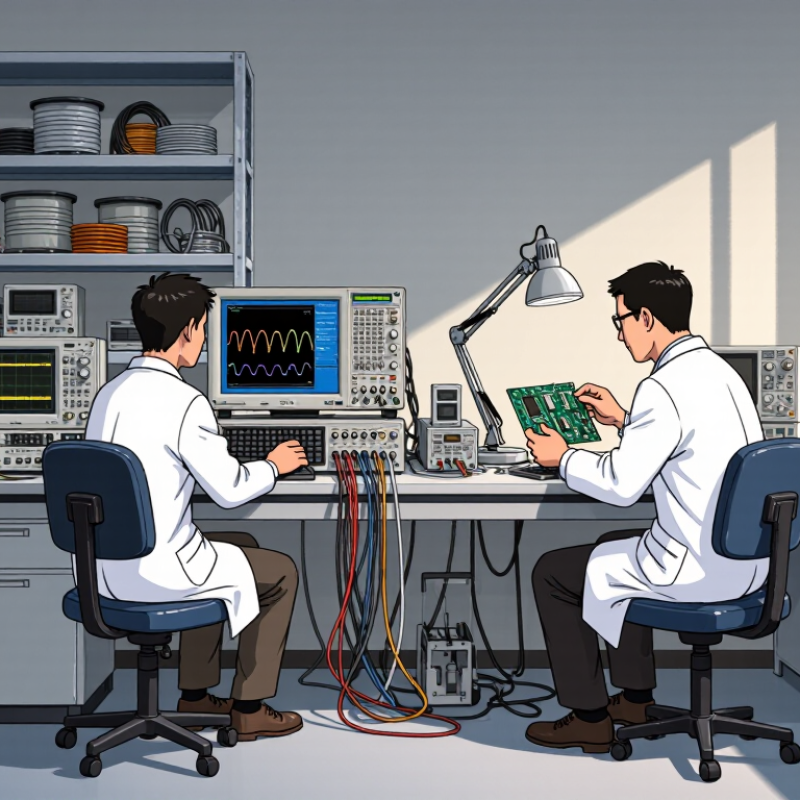
China Top 10 Used Spectrum Analyzer Suppliers

What a Used Spectrum Analyzer Is and Where It Is Used

China Top 10 Used Spectrum Analyzer Suppliers
What a Used Spectrum Analyzer Is and Where It Is Used

A used spectrum analyzer measures signal strength across a range of frequencies. Its screen displays peaks, noise, and unwanted signals that may be hard to detect with a basic meter. Engineers use it to inspect transmitters, troubleshoot wireless devices, and check electronic circuits during development or maintenance. In a lab, it can help locate a narrow signal peak. In the field, a portable unit can reveal interference near an antenna or cable. The readings depend on settings such as span, resolution bandwidth, and input attenuation. Small setting changes matter.

Tips: Check the calibration record, connector condition, and self-test results before purchase. Let the instrument warm up, then compare a known signal with its displayed frequency and level. Check carefully.

Used equipment can offer practical measurement capability at a lower cost, but age alone does not show whether it is dependable. Inspect the display for dead pixels, test the controls, and look for damaged RF connectors. Ask whether the unit includes the needed frequency range and measurement options; some features may require separate licenses or accessories. If readings will support important engineering decisions, arrange an independent performance check. A clean case is reassuring, but it proves little about measurement accuracy.


China Top 10 Used Spectrum Analyzer Suppliers — What a Used Spectrum Analyzer Is and Where It Is Used

A used spectrum analyzer is pre-owned test equipment that displays signal power across a range of frequencies. Engineers use it to inspect radio signals, identify interference, and troubleshoot wireless systems. The chart shows example frequency bands commonly examined; the 5 GHz Wi-Fi range varies by region.

Frequency ranges shown in MHz. Bands are examples, not analyzer specifications; permitted allocations and channel use can vary by country.

How to Evaluate Used Spectrum Analyzer Suppliers in China

Evaluating used spectrum analyzer suppliers in China starts with matching the instrument to your actual signal work. Confirm frequency coverage, resolution bandwidth, displayed average noise level, and phase-noise performance against your test plan. Ask for proof. Request a recent calibration certificate, serial-number match, self-test results, and clear photographs of the screen, connectors, and chassis. Check for worn RF connectors, sticky keys, and missing power leads or adapters. These small details can delay commissioning.

A supplier should explain calibration traceability, repair history, return terms, and how faults are handled after delivery. Agree on an acceptance test before payment: allow warm-up, apply a known signal, then compare frequency and amplitude readings with stated tolerances. The UN’s Global E-waste Monitor 2024 reports that 62 million tonnes of electronic waste were generated worldwide in 2022, while only 22.3% was documented as formally collected and recycled. That figure supports careful reuse, not blind purchasing. Paperwork can look convincing. I would still treat a short, witnessed bench test as essential; I have seen tidy listings leave practical questions unanswered. Ask the supplier to record the test setup and results, and confirm that the quoted unit—not a similar sample—will be shipped.

Profiles of Ten Used Spectrum Analyzer Suppliers in China

China’s used spectrum analyzer suppliers vary widely in stock, testing depth, and after-sales support. MarketsandMarkets’ Test and Measurement Equipment Market report projected growth from USD 33.9 billion in 2023 to USD 41.3 billion by 2028. This covers the broader equipment market, not used analyzers alone. Still, it signals sustained demand for measurement tools.

Supplier 1 focuses on refurbished benchtop units for electronics labs. Supplier 2 carries portable analyzers for field maintenance. Supplier 3 emphasizes entry-level equipment and budget-conscious buyers. Supplier 4 offers a wider selection of frequency ranges. Supplier 5 provides inspection records and calibration documents. Supplier 6 specializes in equipment for education and training. Supplier 7 handles trade-ins and mixed-condition inventory. Supplier 8 offers repair support after purchase. Supplier 9 serves buyers seeking higher-frequency models. Supplier 10 combines sourcing with application guidance. These are useful comparison profiles, not verified rankings.

Look beyond the listed price. Ask for the exact model, serial number, firmware, and included cables. Request recent calibration records, then check the stated frequency range, resolution bandwidth, and displayed noise floor. A clean case proves little. Confirm warranty terms and the return process in writing. One limitation remains: public listings may not show how consistently each seller tests incoming units. That matters. A careful buyer should compare the same signals and settings across shortlisted analyzers before deciding.

How to Compare Equipment, Testing, Warranty, and Support

When comparing used spectrum analyzer suppliers, look beyond the model number and advertised frequency range. Check the unit’s age, options, connector condition, and whether required cables or calibration accessories are included. A photo of the front panel is not enough. Ask for a recent test report showing frequency accuracy, amplitude response, displayed noise floor, and operation across the bands you need. Numbers can mislead. Request a live demonstration with a known signal source, if practical, and compare the results with the instrument’s stated specifications. A scratched case may be harmless; a loose RF connector is not.

Testing should match your actual workbench, not just a generic checklist. Confirm that the analyzer boots reliably, saves traces, responds to controls, and has no intermittent display or fan problems. Ask who performed the checks and when. Keep the report with the serial number. Warranty terms deserve equal attention: clarify coverage length, parts and labor, return shipping, exclusions, and the process for a fault found after delivery. Ask for proof. Support matters when a measurement is urgent, so check response times, repair access, and availability of manuals or replacement parts. Compare these details in writing across suppliers. A low price can be sensible, but it may leave you paying for calibration or repair. I would not treat a short warranty as an automatic deal-breaker, though it should prompt harder questions.

China Top 10 Used Spectrum Analyzer Suppliers - How to Compare Equipment, Testing, Warranty, and Support
Supplier Profile Equipment Typically Offered Testing to Request Warranty and Returns Support to Confirm Best Fit
1. Specialist test-equipment reseller Used bench-top analyzers, often with model-specific options and accessories. Request a written functional test report, self-test results, and checks of frequency and amplitude performance. Terms differ by seller and unit condition; obtain the coverage period, exclusions, and return window in writing. Ask whether application assistance, repair coordination, and manuals are available. Buyers who need a broad selection and documented pre-sale checks.
2. Calibration and repair laboratory Serviced or refurbished analyzers that may be sold with calibration documentation. Check the calibration certificate’s scope, date, results, and traceability; confirm that the tested unit’s serial number matches. Confirm whether warranty coverage includes parts, labor, and calibration-related faults. Ask about recalibration, repair capability, and post-sale technical support. Applications where measurement confidence and calibration records matter.
3. General used-instrument dealer A mixed inventory of used electronic test equipment; configuration and condition can vary. Request a model-specific test checklist, clear photos, serial number, and a list of included accessories. Do not assume a standard warranty; verify the exact terms and return conditions before payment. Confirm who handles troubleshooting and whether replacement units or refunds are possible if a fault is found. Buyers comparing multiple instrument categories or looking for a particular model.
4. Industrial surplus reseller Previously owned instruments sourced from business or laboratory surplus. Ask whether the instrument is fully tested, power-on tested only, or sold untested; request a demonstration where practical. Surplus items may have limited or no coverage; read the sale terms carefully. Confirm access to returns, packing support, and help identifying missing parts. Cost-sensitive buyers able to assess condition and accept greater variation.
5. Electronics laboratory-equipment specialist General-purpose and RF laboratory instruments, with availability dependent on current stock. Test the intended frequency range, resolution bandwidth, input attenuation, and displayed amplitude using suitable calibrated sources. Request written coverage for the analyzer and separately confirm coverage for bundled accessories. Check for assistance with setup, measurement configuration, and option verification. Engineering teams needing an analyzer for routine laboratory measurements.
6. RF and microwave equipment reseller Analyzers intended for RF work; upper-frequency capability and options vary by unit. Verify the specified frequency range and test the relevant band; check amplitude accuracy and any required preamplifier or tracking-generator option. Confirm whether high-frequency sections and installed options are included in the warranty. Ask whether staff can help verify RF options and recommend suitable accessories. RF, communications, and microwave measurement applications.
7. Portable test-equipment reseller Handheld or portable spectrum analyzers, sometimes supplied with batteries, chargers, or cases. Check battery operation, display and controls, charging, connectors, and analyzer performance across the bands you use. Clarify whether batteries and other consumable components are covered or excluded. Confirm availability of compatible chargers, batteries, carrying cases, and repair service. Field service, site work, and measurements where portability is important.
8. Online used-instrument marketplace seller Listings from different sellers; descriptions, test evidence, and after-sales terms are not uniform. Request a dated test video or report showing the unit’s identity, startup, key functions, and relevant measurements. Review platform and seller policies separately; confirm the process and deadline for reporting faults. Establish a direct contact and agree how technical questions and return shipping will be handled. Experienced buyers who can evaluate listings and verify documentation independently.
9. Equipment broker or sourcing agent Units sourced to order from third parties; inspection and documentation depend on the agreed service. Specify acceptance tests before purchase, including serial-number verification and checks of required options. Put responsibility for defects, inspection, shipping damage, and returns in the purchase agreement. Confirm whether the broker provides technical inspection or only sourcing and transaction services. Buyers seeking a less commonly available configuration.
10. Refurbishment-focused equipment supplier Used units that may undergo cleaning, repair, or component replacement before resale. Request a list of work performed, replaced components, final test results, and any limitations that remain. Get the warranty duration, covered repair costs, exclusions, and claim procedure in writing. Ask about repair turnaround, spare-parts availability, and support after the warranty expires. Buyers prioritizing condition documentation and a defined service path.

Comparison note: These are supplier-channel profiles, not named companies or a verified ranking. Used-equipment inventory, testing scope, warranty terms, and support vary by seller and individual unit. Confirm the exact model, serial number, installed options, condition, calibration status, accessories, and written sales terms before purchase.

How to Verify a Supplier Before Buying a Used Analyzer

Before buying a used spectrum analyzer, verify the exact model, serial number, options, and included accessories. Ask the supplier for a recent calibration report, then confirm that its serial number matches the instrument. A certificate alone does not prove the analyzer performs well today. Request a live video showing startup, self-test results, and a sweep across a known signal. Not just a photo.

Check practical details: the displayed noise floor, frequency accuracy, resolution bandwidth settings, input attenuator, and connector condition. Ask for unedited screen captures with settings visible. If your work depends on low-level signals, request a test near the noise floor, not only a strong, tidy trace. A clean case can hide worn connectors or intermittent keys. Small details matter.

Get the return window and warranty terms in writing, including who pays return shipping if the unit fails inspection. Verify the seller’s business details and ask for references from recent instrument sales. Compare the quoted condition with the test evidence, and allow time for independent calibration after delivery. I still find this easy to overlook: a short demonstration cannot reveal every fault. That gap matters.

Members of