Best Welded Wire Mesh Types and Their Uses?
welded wire mesh is an essential material in various construction and industrial applications. Its popularity stems from its strength and versatility. According to a report by MarketsandMarkets, the global welded wire mesh market is projected to reach USD 8.12 billion by 2026, showing a significant growth rate. This demand is driven by increased construction activities worldwide.
welded wire mesh comes in various types, each suited for specific uses. For instance, heavy-duty welded wire mesh is often used in road construction and building reinforcement. Conversely, lighter mesh types are ideal for fencing and agricultural applications. The choice of welded wire mesh can greatly impact project outcomes. Using the wrong type may lead to structural failures or excessive costs.
Despite its advantages, not all welded wire mesh meets quality standards. Factors such as manufacturing defects or inadequate tensile strength must be considered. Understanding the nuances of different welded wire mesh types can help mitigate risks in planning and execution. Evaluating the specific needs of each project is crucial.
Definition and Overview of Welded Wire Mesh
Welded wire mesh is a vital construction material. It consists of strands of wire welded together at intersections. This provides a strong structural support. The grids can come in various sizes, shapes, and wire gauges.
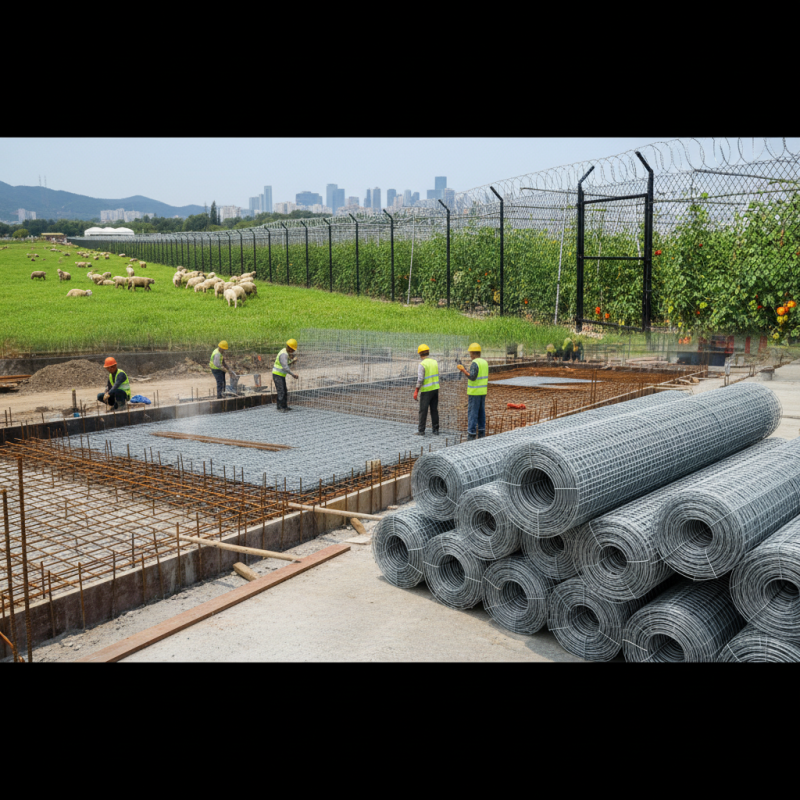
This type of mesh is commonly used in different industries. For example, farmers often use it for fencing. It keeps livestock safe and secure. In construction, it reinforces concrete slabs and walls. It helps to distribute loads evenly. Mesh can also be utilized in landscaping and gardening, forming trellises or protective barriers.
While welded wire mesh is sturdy, it has its shortcomings. Corrosion resistance can be a concern in certain environments. Poor quality welding can lead to weak points. Users need to choose the right type based on their needs. Careful consideration can prevent issues down the line. Overall, welded wire mesh offers both versatility and challenges.
Types of Welded Wire Mesh and Their Characteristics
Welded wire mesh comes in various types, each designed for specific applications. The most common type is galvanized wire mesh. It offers excellent corrosion resistance. This makes it a perfect choice for outdoor projects, such as fencing or garden supports. Galvanized mesh is durable and can withstand fluctuating weather conditions.
Another popular type is stainless steel mesh. This option is known for its strength and longevity. It is often used in industrial settings where heavy-duty applications are required. The resilience against rust makes it suitable for food processing industries. However, stainless steel can be more expensive. It's a trade-off between cost and durability that needs consideration.
Plastic-coated wire mesh is also available. It adds a layer of protection against the elements. Its colorful finish can enhance aesthetic appeal. This type is perfect for residential fencing or pet enclosures. While it looks great, it may not have the same strength as metal options. Sometimes, a balance between appearance and function is necessary. The right choice depends on your specific needs.
Common Applications of Welded Wire Mesh in Construction
Welded wire mesh is widely used in construction for various applications. This material consists of wire strands welded together in a grid pattern. It provides strength and support for different projects. Often found in flooring and walls, welded wire mesh helps to reinforce concrete. It distributes weight evenly, reducing the risk of cracks.
In landscaping, welded wire mesh serves as a functional barrier. It prevents soil erosion and keeps plants in place. Builders often use it for fencing too. Some even create decorative elements with this versatile material. Despite its many uses, there are moments where it may not meet specific project needs. Understanding the types and sizes is essential. Selecting the wrong mesh can result in structural weakness.
Installation is another area for reflection. While it seems straightforward, improperly placed mesh can lead to problems later. Workers must consider the spacing and orientation of wires. Attention to detail is crucial for optimal performance. Errors in installation can compromise safety and durability. It's a reminder that even simple tasks deserve careful execution.
Factors to Consider When Choosing Welded Wire Mesh
When considering welded wire mesh, various factors come into play. The gauge of the wire is essential; a smaller gauge indicates thicker wire. Thicker wire offers better strength and durability. However, it can be harder to work with. On the other hand, a thinner gauge might be easier to manipulate, but it has limitations in heavy-duty applications. Balancing strength and ease of use is critical.
Another important element is the spacing of the mesh. Closer spacing provides better containment for small animals or debris. However, if the goal is to support larger loads, wider spacing can be more practical, allowing for better airflow. Users should also think about the coating of the wire. A galvanized coating protects against rust, making it suitable for outdoor use. But not all coatings are equal. Some may wear off quicker than others, leading to potential corrosion issues over time.
Additionally, consider the intended application. Will the mesh be used for fencing, animal enclosures, or construction support? Each use has unique demands. Understanding the environment is crucial as well. Extreme temperatures or moist conditions can affect performance. People often overlook these details, leading to poor choices. Reflecting on specific needs can lead to better outcomes.
Best Welded Wire Mesh Types and Their Uses
Maintenance and Durability of Welded Wire Mesh
Welded wire mesh offers durability and versatility across various applications. Its maintenance, however, is crucial for longevity. Annual inspections can help detect early signs of wear. Corrosion can develop without proper care, reducing lifespan significantly.
Research indicates that rust is a primary concern for many types of wire mesh. Galvanized welded wire mesh can resist corrosion better than non-galvanized options. Yet, even galvanized mesh can succumb to environmental factors over time. A study found that untreated mesh can lose strength by approximately 20% after just five years in extreme climates.
Cleaning welded wire mesh regularly can help maintain its aesthetic and functional qualities. Using a mild detergent and a soft brush can prevent buildup of dirt and debris. Over time, neglect may lead to more severe damage, making repairs costly. Regular care is not merely beneficial; it is essential for ensuring the mesh remains reliable for years.