Choosing the best Outdoor Isolator Switch from China requires more than comparing prices or enclosure colors. The decision should begin with operating conditions, certification evidence, and long-term field performance. China remains a major electrical manufacturing hub, while global renewable expansion continues to increase demand for reliable isolation equipment. The International Energy Agency’s Renewables 2024 report forecasts almost 5,500 GW of new renewable capacity by 2030. Solar power represents the largest share. Every exposed array needs dependable isolation.
The details matter.
A suitable switch should match the system voltage, current, fault level, and installation environment. IEC 60947-3 provides the main reference for low-voltage switch-disconnectors. IEC 60529 defines enclosure protection ratings, including IP65 and IP66. Outdoor products also require verified resistance to ultraviolet exposure, rain, dust, condensation, and temperature cycling. A datasheet alone is not enough. Request type-test reports, material specifications, factory inspection records, and traceable batch numbers. Independent certification can strengthen confidence, especially for photovoltaic, industrial, and infrastructure projects.
In practical sourcing, I would inspect the handle seal, terminal clearance, cable-entry design, and switching feel. Small weaknesses often appear there. The best Chinese supplier is not always the largest factory. It is the manufacturer that consistently controls design, testing, documentation, and after-sales support. Buyers should also verify applicable national requirements, such as CCC or other project-specific approvals. Some assumptions may fail in coastal or high-altitude installations. That is why sample testing remains valuable. A reliable Outdoor Isolator Switch should protect the circuit, support safe maintenance, and remain dependable after years of weather exposure.
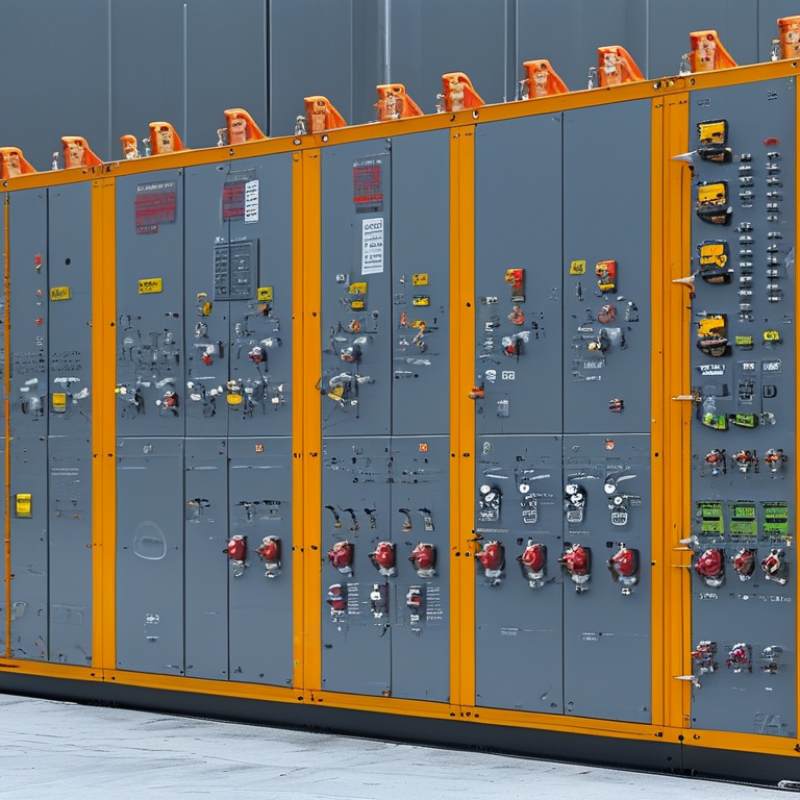
China-made outdoor isolator switches cover several practical designs. Rotary isolators suit rooftop equipment and small distribution panels. Enclosed switch-disconnectors provide visible separation inside weather-resistant housings. Fuse isolators add short-circuit protection, while DC isolators serve photovoltaic strings and combiner boxes. Four-pole versions can disconnect all conductors in selected systems. Motorized types support remote operation, but they need careful control-panel testing.
The IEA PVPS Trends 2024 report recorded about 447 GW of new photovoltaic capacity worldwide in 2023. China contributed approximately 216.9 GW, according to national energy statistics. This rapid installation growth increases demand for reliable DC isolation near outdoor inverters. For these applications, buyers should verify DC voltage, current, pole arrangement, utilization category, and mechanical endurance. IEC 60947-3 covers switches, disconnectors, and switch-disconnectors. IEC 60529 defines enclosure protection ratings such as IP65 and IP66.
A high IP rating is not enough. Dust, ultraviolet exposure, condensation, and cable-gland quality can still cause failure. I would inspect terminal torque, creepage distance, and temperature-rise test records before purchase. That takes time. Some low-cost products look convincing, yet their labels may omit altitude or derating limits. Independent laboratory reports and production traceability improve confidence. The best choice is therefore the type matched to the circuit, climate, and maintenance method, not simply the cheapest outdoor enclosure.

What Is the Best Outdoor Isolator Switch from China?
Key Features of a Reliable Outdoor Isolator Switch
A reliable outdoor isolator switch should provide safe, visible disconnection in demanding conditions. Its enclosure needs strong UV resistance and at least IP65 protection against dust and water. In coastal areas, corrosion-resistant materials matter even more. A practical unit should also tolerate heat, frost, rain, and repeated handling without becoming brittle.
Electrical performance must match the installation, not just the product label. Check the rated voltage, current, frequency, and number of poles carefully. A wide terminal space helps electricians create secure connections with less strain on cables. Silver-plated contacts may improve conductivity, while a sturdy handle supports dependable operation. It should accept a padlock. Accidental switching is not a minor concern.
Outdoor installation experience often reveals details missed in catalogues. Look for clear markings, smooth switching, sealed cable entries, and a firm mounting base. Independent testing and traceable production records add confidence when sourcing from China. Relevant IEC or EN compliance can support technical evaluation, but certificates should be verified, not simply displayed. No switch is perfect. A cheaper enclosure may look impressive, yet weaken under strong sunlight after several years. I would request material samples, inspection reports, and temperature-cycle results before ordering. One small oversight can compromise an otherwise careful installation.
What Is the Best Outdoor Isolator Switch from China?
Selecting a Chinese outdoor isolator switch starts with the manufacturer, not the catalogue price. The IEA PVPS Trends 2024 report recorded about 456 GW of new solar capacity in 2023. This growth increases demand for reliable DC isolation equipment in harsh environments. Ask whether the factory designs products according to IEC 60947-3 and tests them under the correct DC voltage and current. A certificate alone is not enough. Request test reports, production records, and samples from the same production line.
Examine enclosure performance carefully. IEC 60529 ratings, such as IP65 or IP66, should match the installation site, dust exposure, and driving rain. Check UV resistance, salt-mist testing, temperature cycling, terminal heating, and mechanical endurance. A credible manufacturer should explain its test methods clearly. It should also provide batch traceability and documented quality procedures, preferably supported by ISO 9001 certification. Independent laboratory verification adds confidence.
Look beyond the switch.
Factory audits can reveal weak points, including inconsistent torque control, poor sealing, or unmarked terminals. Ask for photographs of assembly stations and final inspections. Confirm warranty handling, spare-part availability, and response times before placing an order. A cheaper enclosure may become expensive after water enters the housing. This happens. My own evaluation checklist would also include a long-term sample test, although many buyers skip it because projects move quickly. That shortcut deserves reconsideration.
What Is the Best Outdoor Isolator Switch from China?
For outdoor use, safety certification matters more than appearance. IEC 60947-3 specifies requirements for low-voltage switch-disconnectors, including switching performance, insulation, and temperature rise. Ask the Chinese supplier for a current test report, rated operational voltage, current, utilization category, and short-circuit withstand data. A CE mark alone is not enough; request the Declaration of Conformity and laboratory identification. For the Chinese market, GB/T 14048.3 alignment is also worth checking.
Weatherproof ratings need careful reading. IEC 60529:2013 defines IP65 as dust-tight protection with resistance to water jets. IP66 withstands stronger water jets, while IP67 covers temporary immersion. These ratings do not guarantee long-term sunlight, salt spray, or freezing resistance. An outdoor isolator should also use UV-stable housing, sealed cable glands, corrosion-resistant terminals, and a cover that drains rather than traps condensation. Small details matter.
In field inspections, a common mistake is choosing IP66 without checking the enclosure material. Outdoor heat can harden poor seals, then rain enters through the cable gland. I would request test conditions, not only a certificate number. IEC 60529 does not fully measure UV ageing. For coastal installations, add a salt-mist test requirement based on IEC 60068-2-11. Some suppliers may resist this request. That is a warning sign, though not absolute proof of poor quality. A practical selection should match the site climate, switching load, installation position, and local electrical rules.
The best outdoor isolator switch is not simply the cheapest option. It should match your equipment, location, and maintenance plan. Check the rated voltage, current, number of poles, and switching duty before comparing suppliers. A switch near a pool, rooftop, or coastal site needs stronger protection against moisture and corrosion. Look for a suitable enclosure rating, UV-resistant housing, secure cable entries, and clear operating labels. Small details matter outdoors.
When sourcing from China, request a complete datasheet, inspection records, and relevant test reports. Ask whether the manufacturer can provide samples before bulk production. Check terminal strength, contact quality, enclosure thickness, and the smoothness of the handle. A factory photograph is not enough evidence. Confirm dimensions with drawings, because a few millimeters can affect installation. The lowest price may hide thinner materials or weaker seals. That mistake becomes expensive later. A qualified electrician should verify compatibility and installation requirements for your location.
Tips: Compare at least three technical offers, not just three prices. Ask about operating temperature, cable range, spare parts, and warranty terms. Keep a sample for reference during delivery inspection. No switch fits every site. Recheck your assumptions. One overlooked detail, such as direct sunlight or salt exposure, can change the right specification.
Please share your email with us to see your results.