7 Best Marine Trolling Motor Batteries for 2026
A trolling motor can turn a quiet morning into a long day on the water. It can also expose a weak battery choice before the first fishing spot. For 2026, the best Marine Trolling Motor Battery is not simply the one with the biggest capacity or lowest price. It should suit the motor’s voltage, expected runtime, boat layout, charging equipment, and storage conditions. Small details matter. A battery that fits tightly beneath a seat may be difficult to inspect or remove. A heavier model can also change how a small boat rides.
Marine electrical author Nigel Calder’s work offers a useful principle, paraphrased here: “Match the battery to the motor, the trip, and the charging system.” That is practical guidance, not a verbatim quotation. This guide compares seven options by battery chemistry, usable capacity, weight, maintenance needs, warranty, and value. We also consider details anglers notice on the water, including steady thrust late in the day and clear state-of-charge information. Specifications can be confusing. Advertised capacity does not always tell the whole story, and real runtime varies with speed, load, temperature, and battery age. No single model suits every boat. Use the comparisons as a starting point, then verify current specifications and charging requirements with each manufacturer. A careful choice can mean fewer mid-trip surprises. A perfect choice? Not always.
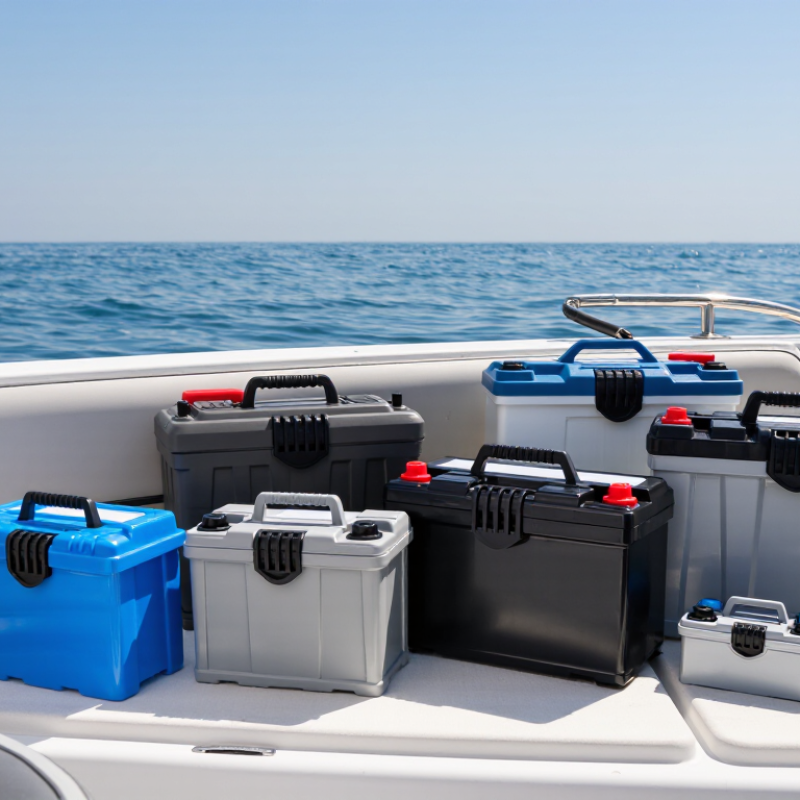
How Marine Trolling Motor Batteries Work
How Marine Trolling Motor Batteries Work
A trolling motor battery stores chemical energy and releases it as electrical current. Inside, chemical reactions move electrons through the motor’s wiring, turning the propeller. The motor draws more current when pushing against wind, weeds, or a strong current. That extra demand can lower battery voltage and shorten runtime. It works harder.
Battery capacity, often listed in amp-hours, estimates how much current a battery can supply over time. It does not promise an exact number of hours on the water. Motor speed, battery age, temperature, and load all affect real runtime. Lead-acid and lithium batteries also behave differently as they discharge, so check the battery’s specifications and your motor’s voltage requirements. A suitable charger matters, too: use one designed for the battery’s chemistry.
Tips: Secure the battery in a ventilated, dry area, and keep terminals clean and tight. Check charge before launching, then recharge after use. A simple voltage reading can help, but it may not reveal remaining capacity precisely. Water use is rarely tidy; cold mornings and sudden wind can change your plans. Leave a practical reserve instead of relying on ideal runtime estimates.
Main Battery Types and Their Differences
Flooded lead-acid batteries are familiar and often cost less upfront, but they need regular water checks and upright installation. Their weight can also make a small boat feel noticeably stern-heavy. AGM batteries are sealed lead-acid designs, so they reduce routine maintenance and resist vibration better. They are still heavy, though, and repeated deep discharges can shorten service life. A low purchase price is not the whole cost.
Lithium iron phosphate batteries offer lower weight and more usable capacity in many setups. They also accept charging quickly, when the charger and battery management system are compatible. There is a catch. Cold-weather charging needs attention: charging below freezing can damage cells unless the battery has suitable protection. Read the battery’s temperature limits, not just its capacity label.
Efficiency figures provide context, not a runtime guarantee. NREL’s 2024 Annual Technology Baseline uses about 85% round-trip efficiency for utility-scale lithium-ion storage. That grid-scale figure is not a marine test, and boat wiring, propeller load, and speed change real-world results. For comparison, the U.S. Department of Energy and EPRI’s Electricity Storage Handbook gives lead-acid systems a broad efficiency range, rather than one universal value. Match chemistry to your charging setup, expected hours on the water, and willingness to maintain the battery. Real use can still surprise you.
How to Choose a Battery for Your Trolling Motor
Choosing a trolling-motor battery starts with matching its voltage to the motor’s requirements. Check the motor manual and battery specifications before comparing capacity. Amp-hours (Ah) indicate how much energy a battery can provide over time, but actual runtime depends on speed, load, wind, and water conditions. A 12-volt motor drawing 20 amps may use roughly 20 Ah in an hour at that rate. Real trips are less predictable. Details matter.
Estimate how long you expect to fish between charges, then allow extra capacity rather than running the battery flat. A motor used at low speed on calm water may draw far less power than one pushing a loaded boat against wind. Battery capacity ratings also rely on particular test conditions, so treat advertised runtime as a guide, not a promise. Cold changes things. Low temperatures can reduce available power, especially in some battery types.
Consider weight, maintenance, charging needs, and total cost alongside capacity. Lead-acid batteries are often less expensive, but they are heavy and generally need careful charging and storage. Lithium batteries are lighter and may provide more usable capacity, though they require a compatible charger and can cost more upfront. Check the battery’s recommended discharge limits and charging temperature range. I would avoid choosing by Ah alone; a slightly imperfect estimate is better than a battery that leaves you paddling back early.
7 Best Marine Trolling Motor Batteries for 2026
Choosing among the 7 best marine trolling motor batteries for 2026 starts with matching voltage and usable capacity to your motor. A 12-volt motor needs a 12-volt battery; larger systems may require 24 or 36 volts. Check the motor manual, then estimate runtime by dividing usable amp-hours by average current draw. Real conditions vary. Wind, weeds, and repeated acceleration can drain a battery faster than calm-water estimates suggest.
The National Marine Manufacturers Association reports roughly 100 million Americans go boating each year. For frequent trips, compare deep-cycle construction, rated capacity, weight, charging needs, and warranty terms—not just advertised runtime. Flooded lead-acid batteries usually cost less upfront, but need ventilation and maintenance. AGM models are sealed and simpler to handle. Lithium iron phosphate options are lighter and often offer more usable capacity, though they require a compatible charger and battery-management system. Check the specifications carefully.
Battery Council International reports that more than 99% of U.S. lead batteries are recycled. That is useful context, but it does not make every lead-acid battery the right choice. Leave a reserve rather than planning to run to empty. I would still allow extra capacity for a long day; trip estimates are imperfect. A heavier boat or strong current can change the math.
Battery Installation, Charging, and Maintenance
A trolling motor battery performs best when it is installed securely and kept dry. Place it in a ventilated, purpose-built compartment, away from standing water and loose gear. Use the cable size and protective fuse specified for the motor and battery. Keep terminals covered, and check that connections stay snug after rough trips. A battery that shifts can strain its cables.
Tips: Take a quick photo of the wiring before disconnecting anything. It can save guesswork later. Check terminal connections monthly, or sooner if you notice sluggish starts.
Choose a charger that matches the battery’s chemistry and voltage; charging settings are not interchangeable. Follow the battery maker’s guidance, and avoid charging a frozen, swollen, or damaged battery. After use, rinse salt residue from nearby surfaces with fresh water, keeping moisture away from electrical connections. Let the compartment dry. Inspect cables for cracks and terminals for corrosion before storing the boat. I’ve found that a simple log of charge dates and unusual motor behavior helps reveal gradual changes, though I sometimes forget to update mine. Regular checks matter more than a perfect routine.
Typical Usable Capacity by Marine Battery Chemistry
A practical comparison for planning trolling motor battery capacity.
Usable capacity is the approximate portion of rated capacity commonly planned for use: around 50% for lead-acid batteries and 80–100% for lithium iron phosphate batteries. Actual limits vary by battery model and conditions. Use a compatible charger and follow the battery maker’s installation and maintenance instructions.