When it comes to construction and excavation, choosing the right equipment is essential. Caterpillar Excavator Buckets are a critical component of this process. They play a vital role in enhancing excavator efficiency and versatility, making them popular among global buyers.
In the diverse world of excavators, not all buckets are created equal. Various designs cater to different tasks, such as digging, grading, or handling materials. Some buyers might overlook the importance of selecting the right bucket type. This decision can significantly impact productivity and project costs.
For those looking to invest in Caterpillar Excavator Buckets, understanding your specific needs is crucial. Each bucket serves a unique purpose, and selecting the wrong one could lead to inefficiencies. Evaluating your project's demands and consulting with experts is vital. Such careful considerations can lead to smarter choices and better outcomes in the field.
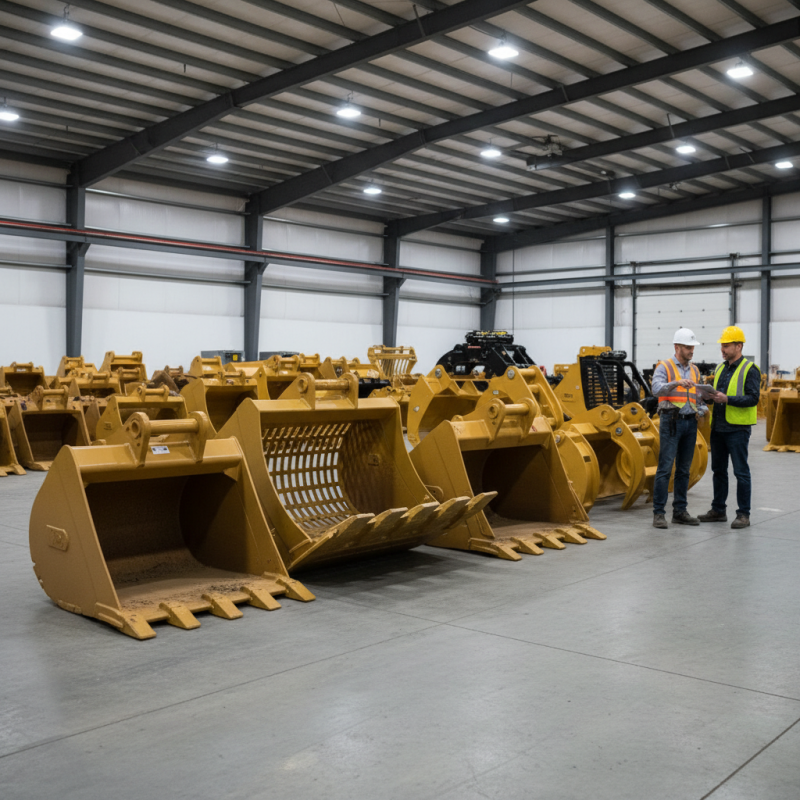
Caterpillar excavator buckets are vital tools in construction and excavation projects. These buckets come in various types to handle diverse tasks. Understanding their different designs helps buyers choose the best fit for their needs.
Standard buckets are suitable for digging and moving materials. They offer good capacity and strength. However, they may not be ideal for all soil types. A specialized bucket could perform better in rocky or heavy clay conditions. It's crucial to assess the terrain before making a decision.
Another option is the trenching bucket, designed for narrow, deep excavations. Its shape and size make it perfect for utility installation or drainage work. Buyers should reflect on their project's specific needs to determine if a standard or specialized bucket is required. Investing time in understanding these differences can significantly impact project efficiency.

When selecting excavator buckets, several crucial factors must guide your decision. Load capacity and material suitability are vital. For instance, industry reports indicate that improper bucket choice can reduce productivity by up to 30%. Therefore, assessing your excavator's specifications is essential. A bucket that matches the machine's power can enhance operational efficiency.
Another critical consideration is the bucket's design. Digging and dumping designs vary significantly. Some are optimized for digging in hard soil, while others excel in soft or loose material. Research shows that specific designs can improve excavation performance by as much as 20%. An in-depth understanding of the terrain will help in making the right choice.
Durability is also paramount. Construction environments can be harsh. A bucket that wears out quickly can increase costs and downtime. According to studies, a durable bucket may reduce replacement frequency by 50%. That’s significant in managing operational budgets. Evaluating materials and construction quality can prevent potential regrets later on. Remember, the right choice can lead to improved performance and lower overall costs.
When selecting caterpillar excavator buckets, various models stand out. Expanding your knowledge about these types can improve your project's efficiency. Different buckets serve specific purposes. Some are ideal for digging, while others excel at moving material.
One popular model features a reinforced structure. This design enhances durability. It can withstand rocky terrains and harsh conditions. Another bucket model comes with specialized teeth. These teeth improve penetration and digging performance. Users often note its efficiency in dense soils.
However, not every bucket suits every task. Some may struggle in lighter materials, leading to inefficiencies. An excavator bucket should align with your workload requirements. Researching user reviews can offer insights. Look for feedback on performance and reliability over time.
| Model Name | Bucket Capacity (m³) | Weight (kg) | Material | Application |
|---|---|---|---|---|
| Heavy Duty Bucket | 1.2 | 800 | High-strength Steel | Excavation, Mining |
| Standard Bucket | 0.9 | 650 | Carbon Steel | General Construction |
| Rock Bucket | 1.5 | 950 | Abrasion-resistant Steel | Quarrying, Demolition |
| Ditching Bucket | 0.7 | 600 | Mild Steel | Landscaping, Drainage |
| Grading Bucket | 1.0 | 700 | Forged Steel | Site Preparation |
When choosing excavator buckets, material and design are crucial factors. Different tasks require specific characteristics to enhance performance. Steel buckets are robust and ideal for heavy-duty work. In contrast, lighter materials like polymer can be suitable for digging in softer soils. Each material has its advantages and drawbacks.
Understanding the excavation environment is essential. Hard, rocky terrains demand sturdier designs. A welded tooth design adds longevity but may require frequent maintenance. Meanwhile, a bolt-on tooth configuration offers easy replacement but might lack in strength. Being aware of these trade-offs is critical for optimal efficiency.
Tips: Always assess the ground conditions before selecting a bucket. Regular inspections can reveal wear and tear. Don't overlook the importance of proper size matching to the excavator. An incompatible bucket can lead to accidents and inefficiency. Regularly revisiting your choices as needs change can lead to more effective operations.
The global market for excavator buckets has been experiencing significant trends in recent years. According to a recent industry report, the demand for high-quality excavator attachments is expected to grow at a CAGR of 4.5% from 2023 to 2028. This growth reflects a rising need for efficient digging and material handling across various construction sectors.
In different regions, preferences vary significantly. North America focuses on durability and adaptability, while Europe emphasizes innovative designs. Emerging markets in Asia reflect a growing interest in versatile attachments that enhance operation efficiency. In countries like India and China, construction activities are booming, driving the demand for advanced excavator buckets.
Moreover, sustainability is becoming a major consideration. Reports indicate that eco-friendly materials and designs are increasingly in demand. Buyers are looking for attachments that minimize environmental impact while maintaining performance. The industry may benefit from innovative recycling techniques in bucket production, which is still an area needing improvement. As markets evolve, understanding local preferences and sustainability trends will be essential for buyers and manufacturers alike.
Please share your email with us to see your results.