In the realm of automotive maintenance, achieving perfect tire alignment is essential. The 3d Wheel Alignment technique has emerged as a reliable solution to ensure optimal tire performance. This advanced method employs cutting-edge technology, providing accurate measurements for a flawless alignment. However, not all 3D wheel alignment services deliver the same level of precision.
The 3D Wheel Alignment process requires skilled technicians who understand the complexities of modern vehicles. Errors in alignment can lead to uneven tire wear and compromised handling. Every vehicle is unique, and sometimes the machine's readings may not reflect the actual condition. It's crucial to recognize that technology can only guide. Human expertise must step in to make adjustments that improve safety and efficiency.
Choosing the best alignment techniques involves considering various factors, including the equipment and the technician's experience. Though many shops offer 3D Wheel Alignment, the results can vary. It's essential to reflect on previous experiences and seek reputable providers. Not all alignments are perfect, and sometimes, a second opinion can uncover hidden issues that need addressing.
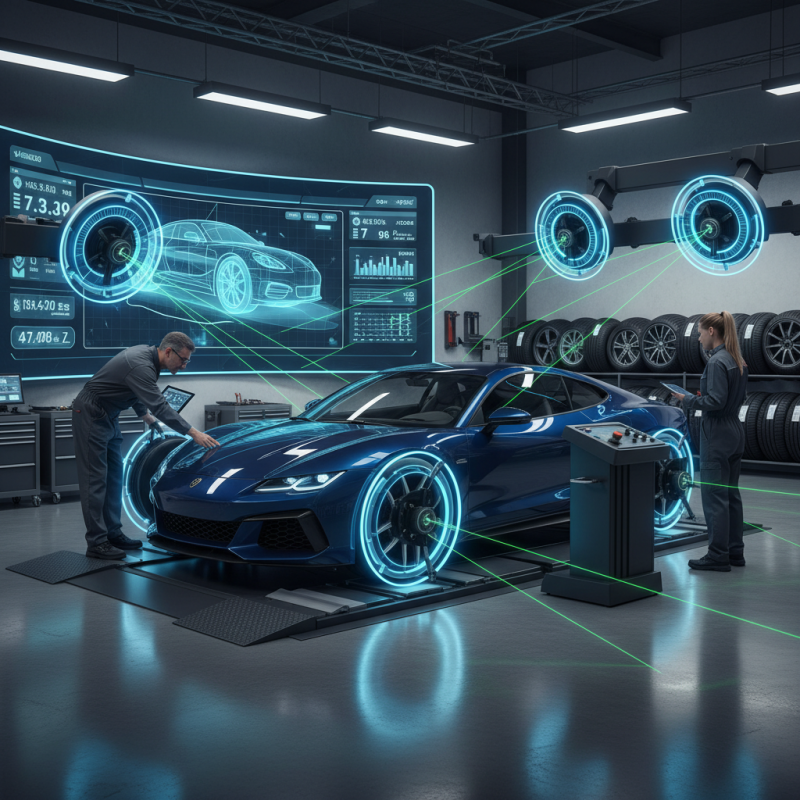
Proper 3D wheel alignment is crucial for tire maintenance. Misalignment can lead to uneven tire wear, affecting performance. If your vehicle pulls to one side, it may need alignment. Regular checks can prevent deeper issues.
Tips: Check tire pressure regularly. Proper inflation helps with alignment. Rotate tires based on your vehicle's specific mileage. This promotes even wear and prolongs tire life.
Invest time in alignment adjustments. They enhance fuel efficiency and driving safety. Ignoring the signs can lead to costly repairs. Every detail in alignment matters. Small misalignments can escalate quickly. Stay proactive, not reactive.
| Technique | Description | Benefits | Recommended Frequency |
|---|---|---|---|
| Laser Alignment | Utilizes laser technology to measure angles and determine alignments. | Highly accurate results, shorter setup time, and minimal human error. | Every 10,000 miles or after hitting a pothole. |
| 3D Imaging Alignment | Uses 3D cameras to capture the tire’s alignment in real-time. | Increases accuracy, visual displays for clients, and faster service. | At least once a year or if uneven tire wear is detected. |
| Digital Alignment Systems | Involves sensors and monitors for precise adjustments. | Improves efficiency and reduces the need for manual recalibrations. | Every 6,000 miles or after tire replacement. |
| Computerized Wheel Alignment | Employs software to analyze and provide alignment settings. | Quick diagnostics and works well with complex vehicles. | After any suspension repairs or modifications. |

3D wheel alignment offers several advantages over traditional methods. One notable difference is the precision it provides. A report from the Automotive Research Institute highlights that 3D alignment systems can enhance accuracy by up to 60%. This is crucial for tire longevity, reducing uneven wear. Traditional methods often rely on visual assessments, leading to potential errors.
Another key aspect is the speed of the process. 3D systems can perform alignments in a fraction of the time compared to older techniques. According to industry data, a 3D alignment can take as little as 20 minutes, while traditional methods may require over an hour. This efficiency benefits both technicians and customers, minimizing downtime.
However, 3D alignment is not without challenges. The technology requires ongoing training for technicians to ensure proper use. Misalignment can still occur if operators are not adequately skilled. Moreover, the cost of 3D equipment can deter some shops from upgrading, despite the benefits. As the industry advances, these considerations must be addressed for wider adoption.
When performing 3D wheel alignment, precision is key. Start by ensuring the vehicle is on a level surface. Check tire pressure; uneven pressure can skew results. Use appropriate measuring equipment for alignment. Position the sensors on the wheels accurately. Make sure each wheel is clean and free from debris.
Tips: Always double-check sensor calibration. A simple misalignment can cause uneven tire wear. Observe the readings carefully; small adjustments can lead to big changes.
Next, follow the vehicle manufacturer’s specifications for alignment angles. This ensures the wheels are aligned correctly. Adjust the camber, caster, and toe settings as needed. Remember, a small error can result in poor handling or tire wear over time.
Tips: Keep a log of your adjustments. It will help track the vehicle's alignment history. If issues persist, re-evaluate your method. Sometimes, the process needs to be reiterated for accuracy. Don’t rush; take your time to ensure everything is perfect, even if it seems tedious.
Achieving optimal wheel alignment is crucial for tire longevity and vehicle performance. Adhering to industry standards ensures that every alignment is precise. Mechanics often follow specifications set by reliable organizations, promoting uniformity in measurements. However, not all shops observe these standards. This inconsistency can lead to poor handling and uneven tire wear. Keep an eye on alignment reports. They often reveal whether proper specifications were followed.
Tip: Regularly check your vehicle's alignment. Misalignment can occur even after a recent service, so stay proactive. A simple driveway test can help. Drive straight and let go of the wheel briefly. If the car drifts, an alignment may be necessary.
Many mechanics face challenges in consistently meeting industry benchmarks. They might miss small measurements that have a big impact. This inconsistency could lead to under-inflated tires or ineffective braking. Understanding these nuances is vital for anyone in the automotive field. Aligning with industry standards can be complex but essential for safety.
Tip: Invest in a quality alignment tool. It can be a game-changer in ensuring accuracy. Checking your results against established standards can help refine your process. Always strive for improvement in every alignment performed.
This chart displays the effectiveness of various 3D wheel alignment techniques as of 2026, measured in terms of customer satisfaction and tire longevity.
The future of 3D wheel alignment technology shows promising advancements. Technicians are now adopting cutting-edge laser systems that enhance precision. These systems offer real-time adjustments, significantly reducing the time spent on vehicle alignment. However, not all garages are equipped with this technology yet. There is a gap between high-end facilities and those that still rely on older methods.
Many workshops are also experimenting with mobile 3D alignment setups. These setups allow mechanics to perform alignments on-site, making services more convenient for customers. While this innovation has potential, it does come with challenges. Some technicians may lack the necessary training to fully utilize these systems. Inadequate knowledge can lead to errors, impacting safety and performance.
As the industry evolves, manufacturers are focusing on user-friendly interfaces. This shift aims to help technicians complete alignments more efficiently. Yet, despite advancements, some issues remain. Calibration errors can occur frequently, causing misalignment. Continuous training and updates are essential for maintaining accuracy, which can be overlooked in busy garages. The technology is advancing, but practical application still requires reflection and improvement.
Please share your email with us to see your results.