What Are the Benefits of Using Mems Sensors in Industry?
MEMS (Micro-Electro-Mechanical Systems) sensors are increasingly vital in various industries. According to a recent market research report, the Mems Sensor market is projected to reach $18 billion by 2026, demonstrating their growing significance. These sensors are small, cost-effective, and provide high precision. They can monitor environmental conditions, pressure, and motion with impressive accuracy.
The integration of MEMS sensors enhances automation and operational efficiency in manufacturing. For example, in automotive industries, MEMS sensors contribute to advanced safety features and fuel efficiency. Despite their advantages, users need to consider potential challenges, such as sensitivity to electromagnetic interference. Understanding the balance between benefits and limitations is essential for effective implementation.
Moreover, industries must remain vigilant about sensor calibration and maintenance. Sensor accuracy can be impacted over time, leading to unreliable data. Regular assessments are crucial to ensure optimal performance. Companies that invest in MEMS technology should be prepared for continuous evaluation to maintain high operational standards.
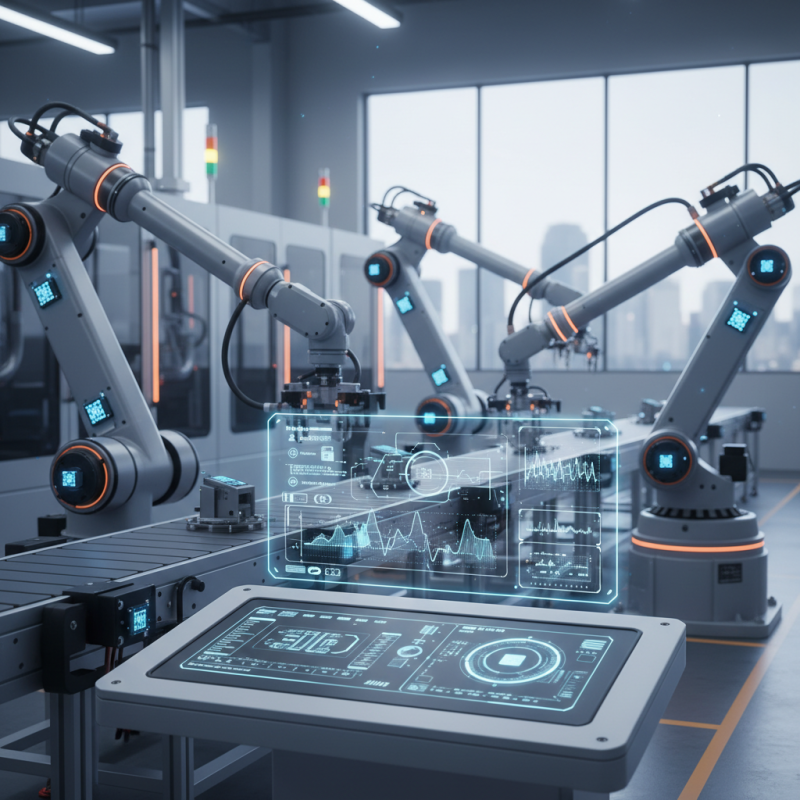
Overview of MEMS Sensors and Their Industrial Applications
MEMS sensors are tiny devices that play a crucial role in various industries. Their compact size allows for integration into different systems, enhancing functionality without consuming much space. These sensors measure physical quantities like pressure, temperature, and acceleration. Their ability to provide real-time data is invaluable in industrial settings.
In manufacturing, MEMS sensors improve automation and monitoring. For example, they can detect machinery vibration, helping to anticipate failures. This proactive approach minimizes downtime. In automotive applications, these sensors contribute to safety systems such as airbags and stability control. These real-world applications demonstrate their significance across different sectors.
While MEMS sensors offer many benefits, challenges exist. Calibration can be complex and may need regular adjustments. The initial investment could be high for some industries. Companies must weigh these factors carefully. Balancing performance with cost is essential for long-term success.
What Are the Benefits of Using Mems Sensors in Industry? - Overview of MEMS Sensors and Their Industrial Applications
| Application Area | Type of MEMS Sensor | Key Benefits |
| Automotive | Accelerometers | Enhanced safety features and improved vehicle dynamics |
| Consumer Electronics | Gyroscopes | Precise motion tracking and improved user interfaces |
| Healthcare | Pressure Sensors | Real-time monitoring of vital signs and patient health |
| Industrial Automation | Temperature Sensors | Enhanced process control and energy efficiency |
| Aerospace | Inertial Measurement Units (IMUs) | Reliable navigation and stability for aircraft |
Key Advantages of MEMS Sensors in Manufacturing Processes
MEMS sensors, or micro-electro-mechanical systems, have become increasingly vital in manufacturing processes. Their small size and lightweight design enable them to fit into a variety of applications. This adaptability allows for precision measurements in challenging environments, enhancing efficiency in production lines.
One significant advantage of MEMS sensors lies in their high sensitivity. They can detect even the slightest changes, such as temperature and pressure variations. This capability can lead to improved quality control. Accurate monitoring can prevent defects that might arise during production. However, integrating these sensors also demands careful calibration and ongoing maintenance.
Furthermore, MEMS sensors operate with low power consumption. This efficiency can lead to cost savings over time. Yet, organizations must still consider the trade-off in initial investment and training. Understanding these sensors requires skilled personnel who can maximize their benefits. Emphasizing training programs can enhance overall operations, yet many industries may overlook this necessity.
Benefits of Using MEMS Sensors in Industry
Impact of MEMS Sensors on Safety and Compliance Standards
MEMS sensors are changing industrial safety and compliance standards. These tiny devices enhance real-time monitoring. They can detect temperature, pressure, and movement changes. This leads to better safety protocols.
By integrating MEMS sensors, companies can ensure compliance with regulations. This technology provides accurate data on equipment conditions. It helps identify risks before they escalate. Workers are less exposed to dangerous situations. However, the implementation can be challenging. Not all organizations fully understand how to leverage this technology.
The reliability of MEMS sensors is vital. Inaccurate readings can lead to serious consequences. Proper calibration and maintenance are essential. Companies must invest time in training staff. Without this, benefits can diminish. Exploring the balance between technology and human oversight remains an ongoing discussion.
Cost Efficiency and Performance Improvements with MEMS Technology
MEMS (Micro-Electro-Mechanical Systems) sensors have revolutionized the way industries operate. Their compact size and low power consumption lead to significant cost savings. These sensors can be integrated into various applications, providing precise data and improving manufacturing processes.
Cost efficiency is a primary advantage. MEMS sensors often reduce the need for extensive wiring. They also lower maintenance costs due to their durability. Performance improvements can be seen in terms of accuracy and response time. These devices operate with minimal energy, which is essential for sustainable practices in industries.
When considering MEMS technology, remember these tips:
- Assess the specific application requirements carefully. Not every sensor fits every need.
- Implement a robust testing phase for the chosen MEMS sensors. Performance can vary based on the environment.
- Stay informed about emerging MEMS technologies. Innovations can offer even more benefits.
Ultimately, the integration of MEMS sensors brings
tangible benefits to industrial operations. Their efficiency and performance are a game-changer, but businesses must remain vigilant about choosing the right sensors for their needs.
Future Trends and Innovations in MEMS Sensors for Industry
The field of MEMS (Micro-Electro-Mechanical Systems) sensors is rapidly evolving. Recent trends indicate a shift towards smaller, more efficient sensors that provide enhanced functionality. These advancements are evident in industries like automotive, healthcare, and manufacturing. For instance, MEMS sensors now offer real-time monitoring capabilities, improving safety and operational efficiency.
Innovations in MEMS technology are focusing on integration with IoT (Internet of Things) systems. This allows for seamless data collection and analysis. As industries adopt these integrated solutions, the demand for precise, reliable sensors grows. Emerging applications include predictive maintenance and smart manufacturing. However, as with any technological advancement, challenges remain. The complexity of integration can lead to a steep learning curve for some organizations.
Moreover, while the benefits are clear, the reliability of MEMS sensors in extreme conditions poses questions. Ongoing research aims to address these limitations, ensuring that future MEMS sensors can operate effectively in diverse environments. Despite these hurdles, the commitment to innovation in MEMS technology indicates a promising future for industrial applications.