In the concrete and construction industries, efficiency is crucial. The Twin Shaft Mixer has emerged as a vital tool for global buyers seeking high productivity. According to a report by MarketsandMarkets, the global concrete mixer market is projected to reach $4.5 billion by 2025. This growth underscores the importance of reliable mixing technologies.
The Twin Shaft Mixer stands out for its ability to achieve uniform mixing in a short time. It operates with two horizontal shafts that rotate in opposite directions, ensuring a thorough blend of materials. A study from Research and Markets highlights that this technology can reduce mixing time by up to 30%. This efficiency is a key factor for manufacturers aiming to optimize production cycles.
However, the initial investment for Twin Shaft Mixers can be a concern for smaller businesses. While the long-term benefits include enhanced quality and reduced operational costs, decision-makers must weigh these factors carefully. Ultimately, the Twin Shaft Mixer is a powerful investment for those looking to stay competitive in a fast-evolving market.
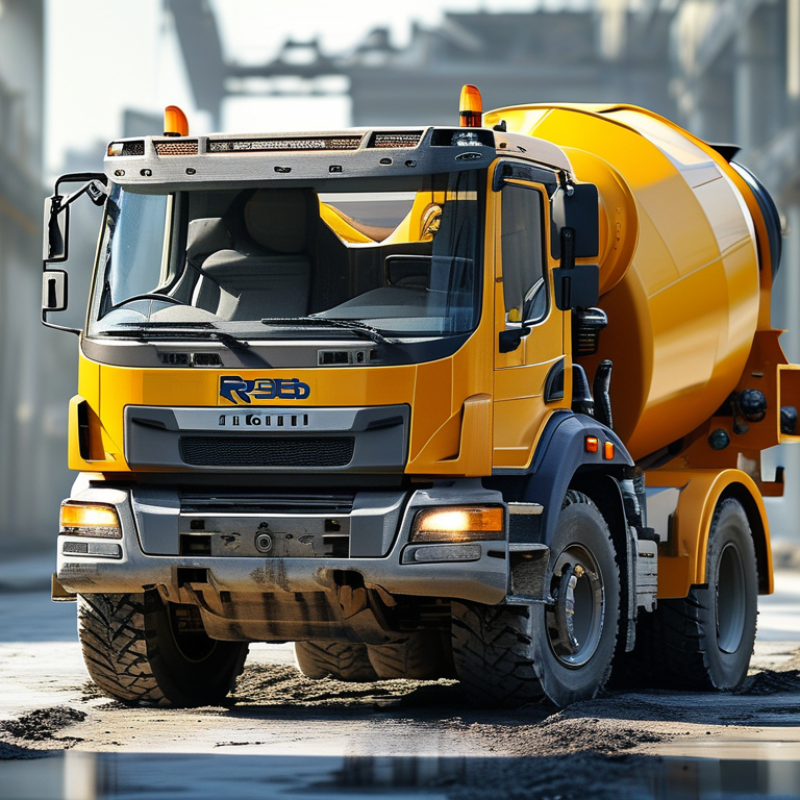
Twin shaft mixers have gained popularity among global buyers for various reasons. These mixers offer unparalleled efficiency in achieving uniform mixtures. They employ two parallel shafts that rotate in opposite directions, effectively blending materials of different densities. This uniformity is crucial, especially in industries such as construction, where consistency affects product quality significantly.
The versatility of twin shaft mixers is another advantage. They can handle a wide range of materials, from concrete to asphalt. This adaptability opens doors for businesses to diversify their product offerings. However, it's essential to acknowledge that not all blending requirements will benefit equally from this type of mixer. Buyers should conduct thorough research to assess their specific needs.
Reliability is a key factor as well. Twin shaft mixers are designed for heavy-duty operations and can withstand rigorous usage over time. However, maintenance is critical to ensure longevity. Some users may overlook this aspect, leading to premature wear and tear. Thoughtful maintenance plans can mitigate this issue and enhance overall performance, making twin shaft mixers a valuable investment for businesses worldwide.

Twin shaft mixers offer distinct advantages for global buyers, particularly in terms of efficiency and performance. Their design promotes optimal mixing of materials, leading to more uniform mixtures. According to recent industry reports, the global demand for twin shaft mixers is on the rise, particularly driven by the construction and manufacturing sectors. These mixers are capable of handling various materials, ensuring consistency in both dry and wet processes.
Key features of twin shaft mixers include their robust construction and high mixing speed. The dual-shaft design effectively reduces mixing times. Industry analyses report that these mixers can achieve mixing rates that are up to 25% faster than traditional systems. This enhanced performance significantly boosts productivity on manufacturing lines. However, potential buyers must consider the initial investment costs, which can be higher compared to other types of mixers.
Despite the advantages, challenges exist. Maintenance can be complex due to their intricate design. Users often find that while they appreciate the efficiency, they must allocate resources for upkeep. Additionally, understanding the right mixer size and capability requires careful consideration. Misjudging these factors can lead to suboptimal performance and inefficiencies. Industry experts suggest consulting technical specifications to make informed purchasing decisions.
Twin shaft mixers are becoming essential tools in various industries. Their design allows for effective mixing of complex materials. This efficiency is achieved through the simultaneous action of two horizontal shafts, which rotate in opposite directions. This creates a powerful shear effect, ensuring a uniform mixture in a shorter time frame.
The robust mixing action of twin shaft mixers is particularly beneficial for dense and viscous materials. For example, when working with concrete, their capability to handle high viscosity can significantly improve the blending of aggregates, water, and cement. This leads to consistent quality in the final product. Moreover, the quick processing time reduces operational costs, making them a preferred choice among manufacturers.
While twin shaft mixers offer numerous advantages, they are not without challenges. Maintenance can be demanding due to their complex mechanisms. Users must ensure regular checks to prevent wear and tear. Additionally, selecting the right mixer for specific materials requires expertise. Careful consideration of material properties can prevent inefficiencies in mixing. Ultimately, the use of twin shaft mixers can revolutionize mixing processes when employed correctly.
Twin shaft mixers are gaining popularity among global buyers for their cost-effectiveness. They offer efficient mixing solutions across various industries, including construction and food processing. These mixers can handle a wide range of materials, from dry powders to viscous pastes. This flexibility means buyers can reduce equipment costs by investing in a single reliable mixer.
The upfront investment may seem high, but the long-term savings are significant. Twin shaft mixers usually require less maintenance due to their robust design. Their fast mixing speeds can also lead to lower energy consumption. Buyers often experience a quicker return on investment. However, ensuring proper operation is crucial. If not managed well, wear and tear can escalate maintenance costs.
It's essential to consider the mixing requirements before purchasing. A poorly chosen mixer can lead to inefficiencies. Evaluating materials and desired outcomes can help buyers avoid costly mistakes. While twin shaft mixers can be a game-changer, it's vital to approach the selection process carefully. Making informed choices can maximize benefits while minimizing drawbacks.
Twin shaft mixers are widely used across various industries due to their efficiency and versatility. These mixers excel in applications that require thorough blending of materials. Construction, for instance, greatly benefits from twin shaft mixers. They ensure consistent and uniform mixing of concrete. This trait is crucial for producing high-quality concrete that meets construction standards.
In addition to construction, the food processing sector also employs twin shaft mixers. They handle large quantities of ingredients with ease. This capability enhances the production of baked goods, sauces, and other food items. Furthermore, the chemical industry relies on these mixers for different applications. They facilitate the mixing of powders, granules, and liquids, ensuring products meet precise specifications.
While twin shaft mixers are effective, they do have some drawbacks. Maintenance can be demanding, as parts may wear out over time. Users may face challenges in cleaning and managing material buildup. Regular monitoring and upkeep are essential to maximize their lifespan. Each industry must weigh the mixers' outstanding performance against these maintenance requirements.
Please share your email with us to see your results.