Top 5 Automotive Hose Clamp Tips Every Buyer Should Know?

When it comes to automotive maintenance, the Automotive Hose Clamp is a small yet crucial component. According to industry reports, over 70% of automotive failures are linked to hose and clamp issues. This statistic emphasizes the importance of making informed decisions when purchasing hose clamps. The right automotive hose clamp ensures secure connections, prevents leaks, and enhances overall vehicle performance.

Many buyers overlook details like material quality and size specifications. Understanding the various types of hose clamps available can simplify the selection process. For instance, stainless steel clamps offer superior corrosion resistance, making them ideal for high-performance vehicles. However, cheap alternatives may fail under pressure and lead to costly repairs later on. Investing in quality clamps not only prolongs the life of your vehicle’s components but also boosts your confidence in your maintenance choices.

In this guide, we will delve into five essential tips every automotive enthusiast should consider when choosing hose clamps. Remember, an informed choice today can save you from significant headaches tomorrow.
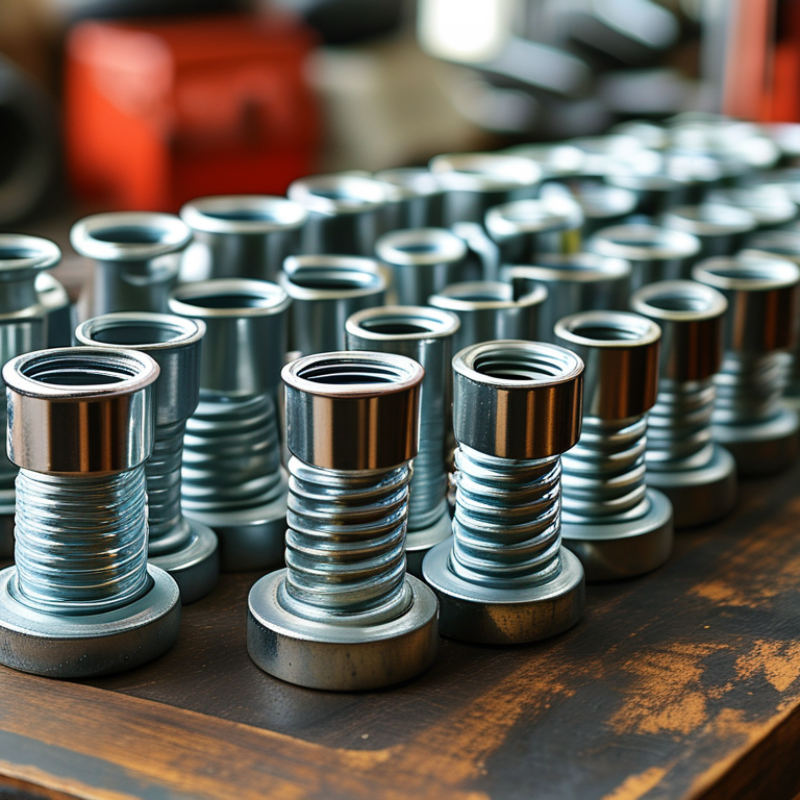
Top 5 Automotive Hose Clamp Tips Every Buyer Should Know?

Understanding Different Types of Automotive Hose Clamps

When choosing automotive hose clamps, it’s crucial to understand the various types available. Hose clamps secure hoses in place, preventing leaks and ensuring optimal performance. There are several types, including worm gear clamps, spring clamps, and constant tension clamps. Each has its unique benefits and ideal applications, making it necessary to know your needs before making a purchase.

Worm gear clamps are popular for their adjustability and strength. They consist of a band with a screw mechanism that tightens around the hose. This design allows for quick installation and secure fitting. On the other hand, spring clamps provide automatic tension adjustments. They work well in environments with temperature fluctuations. However, their installation can be trickier, requiring a special tool to expand the spring.

It’s essential to consider material quality as well. Stainless steel clamps resist corrosion but may be more expensive. Plastic clamps are lightweight and affordable but may not withstand high pressure over time. Matching the right type and material to your automotive application can improve reliability. However, a mismatch could lead to leaks or failure, sometimes with serious consequences. So, choosing wisely is key.

Key Factors to Consider When Buying Hose Clamps

When purchasing automotive hose clamps, understanding key factors can make a big difference. Material choice is crucial. Stainless steel clamps offer corrosion resistance, which is vital for longevity. However, consider plastic clamps for lighter applications where rust isn’t a concern. Each material has its pros and cons. Weigh them carefully based on your needs.

The size and application matter too. Hose clamps come in various sizes. Ensuring a proper fit is essential for a secure connection. An ill-fitting clamp can lead to leaks or even damage. Think about the specific environment as well. High-pressure situations require reliable clamps, and not all are created equal.

Installation is another area for reflection. Proper techniques can prevent future issues. Over-tightening can deform the hose, while under-tightening results in leaks. It’s a balance that takes practice and attention. Inspect clamps regularly for wear. A proactive approach can avoid frustrating and costly repairs later on.

Evaluating Material Quality for Durability and Performance

When considering automotive hose clamps, the material quality significantly impacts both durability and performance. According to industry reports, stainless steel clamps offer superior resistance to corrosion compared to plastic or rubber options. This durability is crucial in high-temperature and moisture-rich environments commonly found in vehicles.

Choosing the right material affects not only longevity but also effectiveness. While many assume that higher prices guarantee better quality, it's essential to verify the specifications. For instance, clamps made with 304 stainless steel typically endure harsher conditions than those made from 201 stainless steel. Understanding these differences is vital.

Tip: Always check for certifications that indicate compliance with industry standards. Look for clamps designed specifically for automotive use.

Moreover, the thickness of the clamp's band can influence its grip strength. Thicker bands often provide more secure fastening, reducing risks of leaks or failures over time. However, not every heavy-duty clamp is suited for every application. Ensure compatibility with the specific hose type you are using.

Tip: Examine tensioning mechanisms. Some designs provide better adjustability and grip than others. Opt for those that can manage varying pressure levels effectively.

Top 5 Automotive Hose Clamp Tips Every Buyer Should Know

Installation Tips for Ensuring a Secure Fit

Ensuring a secure fit for automotive hose clamps is crucial. A proper installation can prevent leaks and enhance vehicle performance. According to industry reports, improper installation results in a significant percentage of mechanical failures. Therefore, meticulous attention to detail is essential.

When installing a hose clamp, make sure it fits snugly against the hose. A loose fit can lead to slippage under pressure. Align the clamp evenly for uniform tension, as uneven pressure may cause premature wear. Misalignment can also lead to hose damage over time. It's advisable to inspect the hose and clamp before installation. Any signs of wear can compromise the entire system.

Another essential tip is to avoid over-tightening. Many believe a tighter clamp equals a better seal, but this isn't always true. Over-tightening can weaken hose material and increase the risk of cracks. It's vital to follow recommended torque specifications when tightening clamps. Regularly checking the clamps after installation can help catch any problems early.

Common Mistakes to Avoid When Using Hose Clamps

When using hose clamps, many people overlook critical details. A common mistake is choosing the wrong size. A clamp that’s too tight can damage the hose. Conversely, one that’s too loose may lead to leaks. Always measure your hose diameter before purchasing a clamp.

Another frequent error is improper installation. Many users fail to position the clamp correctly. It should sit evenly around the hose’s surface. Ensuring this can prevent the clamp from loosening over time. Additionally, over-tightening is a concern. It can strip the threads and compromise the clamp’s integrity.

People often forget maintenance. Regularly checking your hose clamps is essential. Look for signs of corrosion or wear. Ignoring these signs can lead to failures at the most inconvenient times. It's easy to overlook small details, but they make a big difference. Pay attention to the materials used. High-quality clamps can withstand more pressure and heat.

Members of