

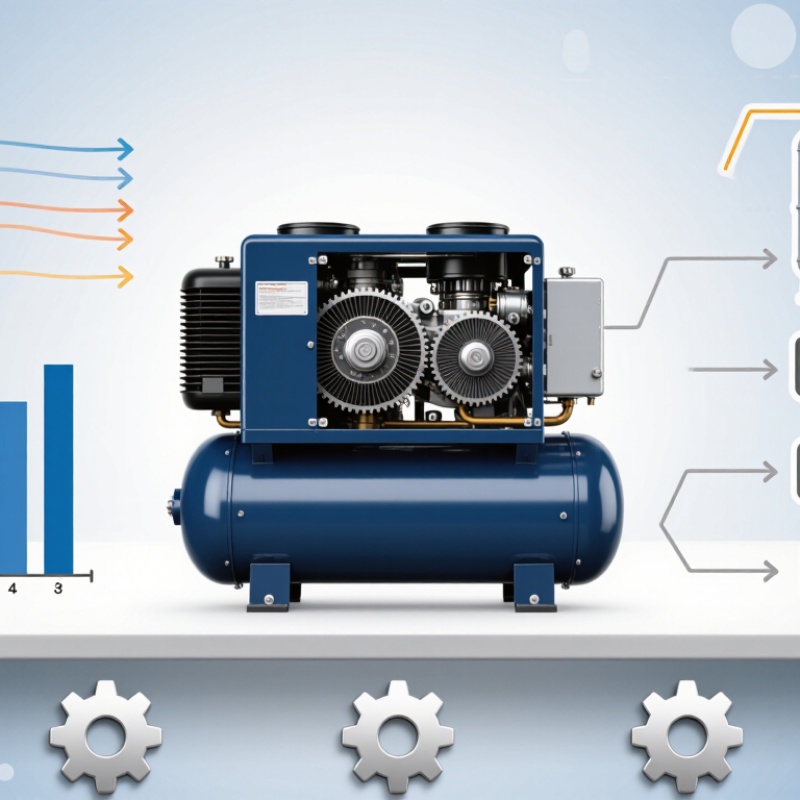
A twin screw compressor can run at fixed speed or use variable-speed control. Fixed-speed models suit steady demand, while variable-speed units adjust output as air use changes. Measure demand across a real production shift, not just during a quiet hour. Start with the air profile. Note pressure changes, idle periods, and simultaneous equipment use. A small receiver tank may soften short peaks, but it cannot solve a persistent capacity shortage.
Compare oil-injected and oil-free designs against the air quality your process requires. Oil-free air may be necessary for sensitive applications, while oil-injected models can be suitable when downstream filtration meets the required standard. Confirm this with a qualified supplier. Check the full system, including dryers, filters, and pressure losses. An impressive compressor specification can look less attractive once these are included.
Control systems affect both operation and energy use. Look for clear pressure settings, fault histories, and load-hour data that operators can actually read. Ask how the unit behaves at partial load and whether multiple compressors can coordinate. Efficiency figures need context: compare input power at the same pressure and delivered airflow, using consistent test conditions. Also consider maintenance access, ventilation, and service intervals. A tidy spreadsheet may still miss the heat trapped beside a poorly ventilated machine. That detail matters.