2026 Top Stable Balance Bikes for Kids Buying Guide
Choosing a balance bike is less about finding the most impressive feature list and more about finding a bike your child can control. This 2026 buying guide looks at stability, fit, weight, and everyday usability. A Stable Balance Bike should let a young rider place both feet flat on the ground while seated, then push forward without struggling to lift or steer it. Fit matters.
We consider practical details parents can check before buying: adjustable seat height, a manageable frame, grippy tires, and a handlebar that turns smoothly. A child’s inseam is more useful than age alone when comparing sizes, though children grow at different speeds. Think about where the bike will be used, too. A paved path feels different from a bumpy lawn, and tire design can affect comfort and control. A helmet, close supervision, and a flat, traffic-free practice area are sensible parts of a first ride.
This guide is intended to help families compare options, not promise that one model suits every child. Added features do not always justify a higher price, and even a well-reviewed bike can feel awkward if its fit is wrong. If possible, let your child sit on the bike before buying, and check the maker’s sizing and maintenance guidance. Product specifications may change during 2026, so confirm current details with the seller. The right choice may be simpler than expected—and sometimes, the best test is a careful tryout.
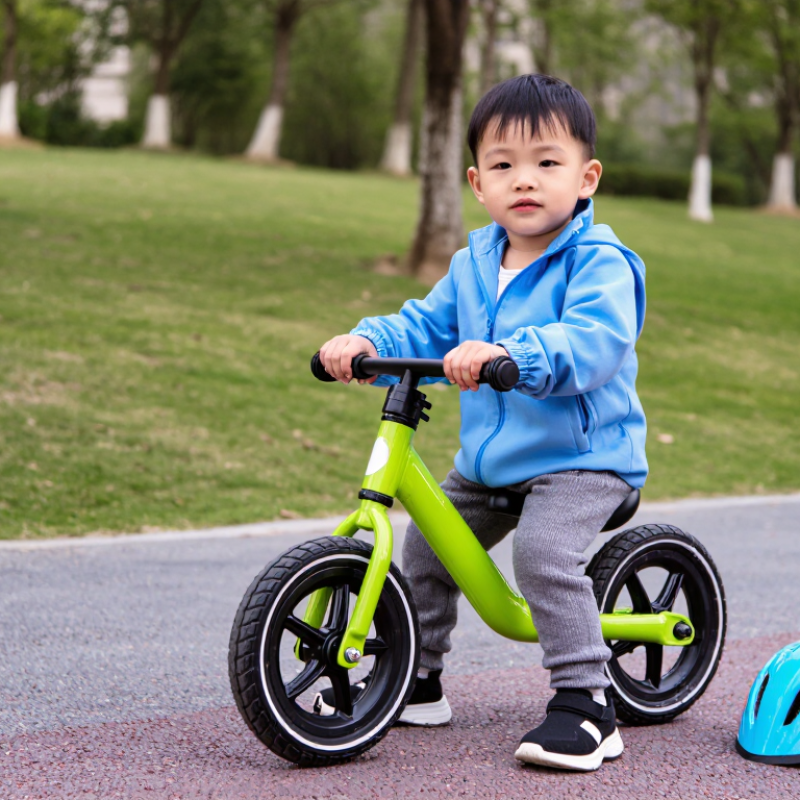
How Balance Bikes Help Children Develop Balance and Steering Skills
A balance bike turns movement into a simple lesson in control. Children push against the ground, then lift their feet for a few seconds. Their bodies make small side-to-side corrections to stay upright. To steer, they turn the handlebar and look toward the space they want to reach. A wide, clear path helps them practise without constant stopping. The skill develops through repetition, not a single ride.
The World Health Organization’s 2019 guidelines recommend that children aged three to four get at least 180 minutes of physical activity daily, including 60 minutes of moderate-to-vigorous activity. Short bike sessions can contribute to active play, but they do not meet this recommendation by themselves. Keep practice playful. A child may steer toward a bright cone, then try a gentle turn around it. Uneven ground can make balance harder, so start on a smooth, level surface.
Fit matters. A child should sit with both feet flat on the ground and reach the handlebars comfortably. Give them time to stop and reset. Small corrections matter. Balance bikes can support coordination, but children progress at different rates, and riding alone does not guarantee confident steering. Watch how the child responds, and adjust the pace rather than pushing for distance.
Which Design Features Make a Balance Bike More Stable
A stable balance bike starts with a fit that lets a child place both feet flat on the ground. A low, adjustable seat helps keep the rider’s center of gravity close to the frame. A slightly longer wheelbase can reduce twitchy steering, though an overly long bike may feel awkward in tight turns. Fit matters more than appearance.
Look for tires with enough width to feel planted on pavement and packed paths. Deep tread is not always better; bulky tires can add weight and make the bike harder to guide. A steering limiter can prevent the handlebar from turning sharply during a wobble. It should still allow comfortable, controlled turns. Less tipping.
A sturdy frame and secure wheel attachments help the bike feel predictable under a child’s weight. Check that the wheels sit straight, the seat stays firmly in place, and the handlebar does not shift when gently rocked. On a flat surface, watch whether the bike rolls smoothly without pulling to one side. No single feature guarantees stability, and a heavier bike can feel reassuring to an adult but tiring for a small rider. The best choice is the one the child can control confidently.
How to Match Bike Size and Weight to a Child
A balance bike should fit a child’s legs, not just their age. Measure the inseam from the crotch to the floor while the child wears shoes. Set the seat slightly below that measurement, so both feet rest flat and the knees bend a little. The World Health Organization’s Child Growth Standards place the median height for a four-year-old at about 103 cm, but children vary widely. Age labels alone can mislead.
Tips: Let your child sit on the bike and walk it forward. Check that they can plant both feet, steer without reaching, and lift the bike if it tips. Too heavy? It may be harder to control, even when the frame looks small.
For weight, consider the child’s strength as well as the bike’s listed mass. Ask them to pick up the handlebars and move the bike a few steps; watch for straining or dragging. A lighter bike is not automatically a better fit, though. If the seat is too high, a light frame still feels awkward. Recheck the fit as your child grows—measurements change, and a once-comfortable seat can become a stretch.
How to Compare Stable Balance Bikes for 2026
When comparing stable balance bikes for 2026, look beyond wheel size and appearance. Stability comes from a good fit, predictable steering, and a frame a child can control. With the child seated, both feet should rest flat on the ground, with knees slightly bent. A saddle set too high can make stopping feel uncertain.
Check the handlebar width and turning range. A child should reach the grips without leaning far forward, and the front wheel should turn smoothly without feeling loose. Wider tires may feel reassuring on packed paths, but they do not guarantee better control. Feel the difference. Test the bike on a flat, open surface, and watch whether the child can start, glide, and stop without adult support. Keep the first ride short; a tired rider may look less confident than the bike deserves.
Weight matters, especially when a child needs to lift or steer the bike around a small obstacle. A sturdy frame can be useful, yet a heavy model may be difficult to manage. Compare seat-height adjustment, tire grip, and any hand brake, then check that each control suits the child’s hand size. A specification chart cannot show every awkward fit. If possible, let the child try the bike in ordinary shoes and clothing before deciding.
2026 Top Stable Balance Bikes for Kids Buying Guide
Compare common nominal balance-bike wheel sizes. Centimeter values are exact conversions using 1 inch = 2.54 cm.
How to compare: Wheel diameter is only one factor in stability. Check that the child can sit on the bike with both feet flat on the ground, and compare the bike’s minimum seat height with the child’s inseam. A comfortable fit and manageable weight matter more than choosing the largest wheel size.
What to Check Before Buying and Riding a Balance Bike
A stable balance bike should fit your child now, not after a growth spurt. With your child standing over the frame, look for a small gap between the top tube and their body. They should reach the ground with both feet flat and sit with a slight bend in their knees. Fit matters most. If the seat is too high, confident pushing becomes awkward.
Before buying, check that the seat and handlebar adjust easily and lock firmly. Look for rounded edges, secure grips, and wheels that spin without rubbing. Try turning the handlebars; they should move smoothly, without feeling loose. Some models include a hand brake. If so, make sure your child can reach and squeeze it comfortably. A shiny finish can distract from these details. I would check them in person when possible, because product pictures rarely show small fit problems.
Before each ride, give the tires, fasteners, and steering a quick inspection. Use a helmet that sits level and snug, and choose a flat, open area away from traffic, steps, and steep slopes. Start with short rides on firm ground. Let your child walk the bike before trying to glide. Progress can be uneven; a child may coast one day and prefer walking the next. That is normal. Stay nearby, and stop if anything feels loose or uncomfortable.