Choosing the right Cfrp Roughing Cutters in 2026 requires more than comparing prices or flute counts. Carbon fiber reinforced polymer varies widely in fiber orientation, resin content, laminate thickness, and machining behavior. A cutter that performs smoothly on a flat aerospace panel may create fraying on a thin automotive component. Buyers need practical evidence, not attractive catalog language.
This guide examines the leading cutter types, including diamond-coated carbide, polycrystalline diamond, compression, and specialized multi-flute designs. Each type addresses different problems, such as abrasive wear, delamination, heat buildup, or limited chip evacuation. Tool diameter, helix angle, edge preparation, and cutting length also influence results. Small details matter. A roughing cutter with poor runout can leave visible fuzz within minutes.
Experienced machinists usually begin with the workpiece, machine rigidity, spindle speed, and extraction system. They then confirm recommended feeds through controlled test cuts. Supplier data is useful, but it should not replace inspection. Check edge wear under magnification, measure surface quality, and record cutting noise. That process reveals weaknesses early. No cutter wins every job. Even a premium tool may disappoint when the feed rate, fixture, or toolpath is poorly matched. This article helps buyers compare performance claims with workshop realities, while recognizing that “top” depends on application, production volume, and acceptable tool life. Some recommendations may require reconsideration after real production trials. That is a limitation worth stating clearly.
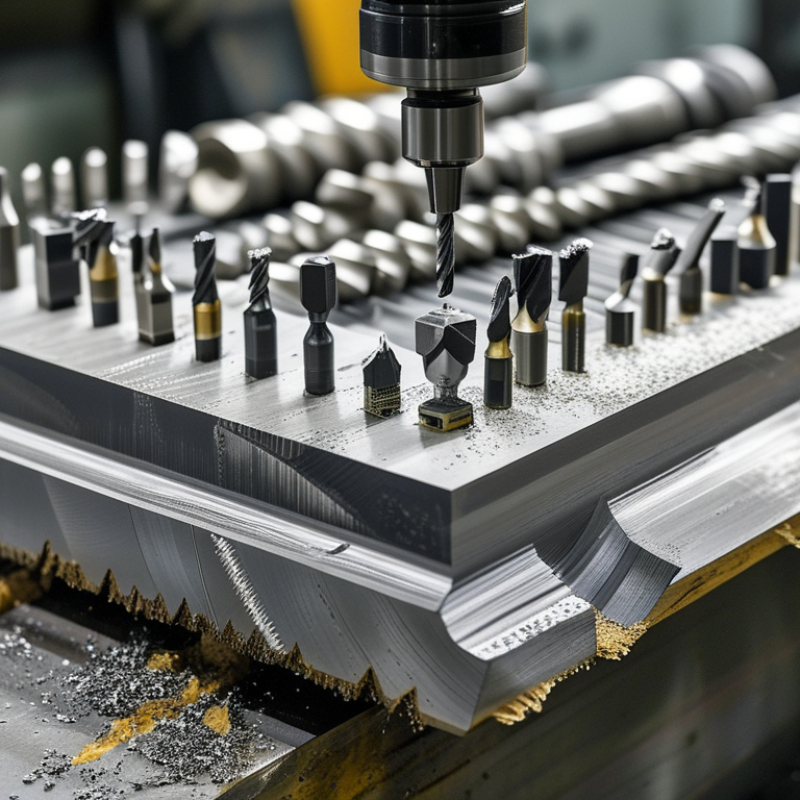
CFRP roughing cutters are specialized tools for removing large volumes of carbon-fiber-reinforced polymer before finishing. CFRP combines strong carbon fibers with a resin matrix, so ordinary metal-cutting assumptions often fail. The fibers can splinter, pull out, or create abrasive dust. Roughing cutters use sharp, wear-resistant geometries to reduce these risks while maintaining stable material removal. Their main role is fast stock removal, not final surface perfection. Think of a cutter clearing a dark laminate block around a wing rib, leaving a controlled allowance for finishing.
Market data supports this growing machining need. Grand View Research valued the global carbon-fiber market at about USD 4.17 billion in 2023 and projected a 7.3% compound annual growth rate through 2030. MarketsandMarkets also forecast strong expansion, estimating growth from roughly USD 4.7 billion in 2023 to USD 7.0 billion by 2028. These figures describe material demand, not cutter sales, but they signal more composite machining across aerospace, mobility, and energy equipment.
In practice, buyers should examine cutting-edge design, diamond or polycrystalline diamond options, chip evacuation, and dust-control compatibility. Tool life depends heavily on fiber orientation, laminate thickness, spindle stability, and clamping. A cutter that performs well on a flat panel may struggle near a curved corner. No cutter lasts forever. Even advanced tooling can produce frayed edges when feeds, speeds, or support conditions are poorly matched. The figures look promising, but shop-floor trials still matter more than a brochure.

In 2026, buyers need to match the roughing cutter with the carbon fiber laminate, not only the machine. CFRP varies in fiber direction, resin content, thickness, and stacking pressure. A cutter that performs well on a dry laminate may struggle with a dense aerospace panel.
Carbide end mills remain a practical choice for general roughing and short production runs. Their variable flute designs can reduce vibration and limit edge fraying. Compression cutters are useful when the workpiece has exposed surfaces that easily delaminate. They push cutting forces inward, but incorrect feed settings can still tear the top or bottom layers. Chipbreaker geometries help control powder and reduce recutting in deeper pockets.
For longer tool life, diamond-coated cutters offer better abrasion resistance than uncoated carbide. PCD roughing cutters can work efficiently on high-volume CFRP parts, especially when stable fixtures and controlled spindle speeds are available. Burr-style rotary cutters suit irregular edges and local stock removal, although they may create more airborne dust. Dust extraction is essential.
Inspect the cutting edge often. A slightly worn tool can produce fuzzy fibers before the damage becomes obvious. I would not select a cutter from coating claims alone. Actual results depend on feed rate, tool runout, clamping, and cooling limits. Dry machining is common, but heat can soften resin and stain the cut wall. Small test passes remain valuable, even when the cutter supplier provides recommended parameters. No cutter wins every panel.
In 2026, buyers should compare cutter material, geometry, and edge design together. CFRP combines hard carbon fibers with softer resin, creating uneven cutting resistance. Solid carbide cutters offer good stiffness and predictable costs. PCD edges usually last longer in abrasive production work. Diamond-coated carbide can reduce wear, but coating quality varies between suppliers. Material choice matters.
Geometry controls heat, dust, and delamination. An upcut spiral lifts chips from the slot, but it may pull fibers from the laminate surface. Downcut designs support the top layer and leave a cleaner entry. They can, however, push debris into the cut. Compression geometries balance both forces near the laminate faces. Short, variable-pitch flutes often reduce vibration on thin panels.
Edge design deserves close inspection. A sharp, polished edge can limit resin smearing and lower cutting force. A small chamfer may strengthen the edge during roughing, though it can increase heat. Serrated edges break chips effectively, but they may leave a rougher wall. In practical trials, feed rate and tool clamping changed results more than expected. I once blamed the cutter for fraying, then found excessive runout near the collet. Check runout, dust extraction, and fixture support before judging tool life. Small details matter.
Selecting a CFRP roughing cutter starts with the laminate, not the catalog title. Carbon fiber direction, resin content, and workpiece thickness affect cutting behavior. For thin panels, a compression-style geometry can reduce edge breakout. For thick sections, a chipbreaker may control heat and evacuation more effectively. Diamond-coated carbide suits many general jobs, while PCD can provide longer life in high-volume production. However, tool life depends heavily on machine rigidity and setup quality.
Cutting conditions should match the application. Aerospace-style laminates may require low vibration and careful dust extraction. Automotive parts often demand faster material removal, but surface damage remains unacceptable. Watch for frayed fibers, resin smearing, and rising spindle load. These signs often appear before visible tool failure. A higher feed rate is not automatically better. In shop trials, a slightly slower entry can protect the corner and reduce rework. This is easy to overlook.
Tips: Check the cutter diameter against the smallest internal radius. Use a rigid holder and minimize tool projection. Keep the workpiece fully supported, especially near thin edges. Test one pocket before running the full batch. Dry machining is common, but local rules and dust-control requirements still matter. If burrs remain, changing the cutter alone may not solve the problem; clamping, toolpath direction, and worn fixtures deserve inspection.
For buyers, CFRP roughing cutters should be judged by performance, safety, and maintenance needs. Solid carbide cutters offer stable edge strength for general roughing work. Diamond-coated cutters often resist abrasive carbon fibers for longer periods. PCD cutters can provide excellent wear resistance during demanding production runs. However, cutter type alone does not guarantee good results. Machine rigidity, cutting speed, feed rate, and tool geometry also matter.
In practical trials, watch the surface, chips, vibration, and spindle load. A clean edge usually leaves fewer raised fibers and less delamination. Keep feed rates steady and avoid forcing the cutter into tight corners. CFRP dust is fine, persistent, and harmful when inhaled. Use local extraction, suitable respiratory protection, eye protection, and an enclosed cutting area. Dust control matters. Inspect collets and tool holders before installation. Poor clamping can cause runout, vibration, and sudden tool failure.
Maintenance should begin immediately after each batch. Remove dust from flutes with approved cleaning methods, not careless compressed-air blasts. Check flank wear, chipped edges, coating damage, and unusual discoloration. Store cutters separately in protective sleeves. A simple inspection log can reveal repeated problems with settings or workholding. I have seen buyers replace tools too quickly when the real issue was excessive runout. I have also underestimated dust buildup before. That mistake is costly. A realistic maintenance plan should include inspection time, replacement limits, and operator training.
| Cutter Type | Typical Cutting Edge and Geometry | Best-Suited CFRP Operation | Main Performance Advantages | Primary Limitations | Safety Factors | Maintenance and Inspection | Buyer Suitability |
|---|---|---|---|---|---|---|---|
| Diamond-Coated Carbide Roughing End Mill | Solid carbide body with a polycrystalline diamond coating; commonly available with 2–6 flutes, variable helix, and chip gullets designed for composite dust evacuation. | General roughing, trimming, pocketing, and profile cutting of dry or lightly supported CFRP laminates. | Good balance of cutting speed, edge life, dimensional control, and purchase cost. The coating improves wear resistance against abrasive carbon fibers. | Coating can wear or chip when the cutter contacts metal fasteners, clamps, or hard inclusions. Performance decreases after coating breakthrough. | Use local dust extraction, eye protection, respiratory protection suitable for fine composite dust, and a guarded spindle. Avoid excessive heat and unsupported laminate edges. | Clean with a soft brush or approved vacuum; do not use impact tools on the cutting edges. Inspect the coating, corner radius, runout, and chipped flutes after each production batch. | Best all-round choice |
| PCD-Tipped Roughing Cutter | Carbide tool body with brazed or mechanically retained polycrystalline diamond segments; often uses coarse flutes, chip breakers, or compression geometry. | High-volume trimming and roughing of abrasive CFRP panels, aircraft-style laminates, and thick sections where long tool life is important. | Very high abrasion resistance and long service life in clean CFRP machining. It can maintain a consistent edge over a large production run. | Higher initial cost, limited suitability for interrupted cuts, and risk of segment damage from metallic contamination or severe vibration. | Verify segment integrity before use and confirm that the tool holder has adequate balance. Use stable workholding and extraction because PCD wear produces fine dust. | Check for loose, cracked, or lifted segments, brazing defects, and excessive runout. Send worn tools to a qualified sharpening service; do not regrind them with ordinary carbide tooling equipment. | Best for production volume |
| Electroplated Diamond Burr | Steel or carbide shank with a single diamond abrasive layer bonded to the working surface; available in cylindrical, spherical, oval, and tree-shaped profiles. | Manual or CNC edge trimming, local stock removal, deburring, and work on contoured or difficult-to-reach CFRP areas. | Efficient abrasive removal, flexible profile selection, and good access to small features. It is useful where conventional flutes may clog. | The abrasive layer is not normally resharpenable. Cutting performance falls significantly when the exposed diamond layer becomes loaded or worn. | Secure the workpiece and use a controlled feed to prevent snagging. A face shield, eye protection, dust extraction, and protection from rotating abrasive particles are recommended. | Remove dust after use and inspect the plated surface for bald spots, loading, and uneven wear. Store separately to prevent contact damage to the abrasive layer. | Best for local trimming |
| Compression-Roughing Cutter | Combination of up-cut and down-cut flute sections, typically with a short transition zone to control both the upper and lower laminate surfaces. | Through-cutting and edge trimming of laminated CFRP panels where delamination, fuzzing, or breakout must be minimized. | Reduces peel-up and push-down damage when the tool length, feed direction, and laminate support are correctly matched. | Requires accurate axial positioning and sufficient cutting depth. It is less forgiving when the workpiece thickness varies or when used for deep blind pockets. | Confirm the transition zone is positioned inside the laminate. Use rigid fixturing, correct cutter projection, and conservative entry and exit conditions. | Inspect both up-cut and down-cut sections for unequal wear. Check the transition zone for chipping and verify axial length before every setup. | Best for clean panel edges |
| High-Helix Roughing End Mill | Carbide or diamond-coated carbide cutter with a relatively high helix and flutes engineered to lift chips from the cut while reducing rubbing. | Fast roughing of thicker CFRP components and operations requiring efficient chip evacuation. | Good material removal capability, reduced recutting when extraction is effective, and smoother cutting action than blunt abrasive tools. | The axial cutting force may lift poorly supported laminates. High helix geometry can increase burrs or delamination if the feed direction is unsuitable. | Use strong vacuum hold-down or mechanical clamping. Prevent chip recutting and stop the machine if abnormal vibration, smoke, or heat is observed. | Clean the flutes and inspect the cutting corners for resin buildup, micro-chipping, and discoloration. Measure runout if surface quality changes unexpectedly. | Best for supported thick parts |
| Chipbreaker Roughing Cutter | Fluted cutter with serrated or interrupted cutting edges that divide the chip load into shorter segments; commonly supplied in carbide or diamond-coated versions. | High-feed roughing where long strips of laminate or resin-rich chips may obstruct the cutting zone. | Shorter chips, lower risk of chip packing, and efficient rough stock removal under stable CNC conditions. | Interrupted edges may produce more vibration, edge impact, and surface texture than a continuous-edge cutter. | Use a rigid machine, short tool overhang, and properly balanced holder. Reduce feed or spindle load if chatter begins. | Inspect every serration for chipped teeth and clean the gullets without scraping the cutting edges. Replace the cutter when imbalance or repeated vibration occurs. | Best for high-feed roughing |
| Open-Gullet Abrasive Rougher | Coarse-pitch cutter with large gullets or abrasive cutting surfaces intended to provide extra clearance for carbon-fiber and resin debris. | Aggressive roughing and edge preparation where chip evacuation is more important than a fine surface finish. | Low tendency toward flute packing, good visibility of the cutting zone, and useful performance on abrasive laminate edges. | Usually leaves a rougher finish and may generate more vibration or fiber pull-out than a fine-pitch finishing design. | Use adequate workpiece support and avoid forcing the cutter into unsupported corners. Confirm that dust extraction is not obstructed by large debris. | Remove packed resin and inspect the gullet depth, abrasive surface, and tool shank. Do not continue using a tool with a cracked body or visibly distorted shank. | Best for aggressive stock removal |
Buyer note: Actual tool life, feed rate, spindle speed, and material-removal rate depend on fiber orientation, laminate thickness, resin system, cutter diameter, tool overhang, machine rigidity, workholding, and dust-extraction efficiency. Always follow the cutter supplier’s operating data and the machine manufacturer’s safety requirements.
Please share your email with us to see your results.