Choosing the best Hair Removal device in 2026 requires more than comparing prices or glossy photographs. Global buyers face different skin tones, hair textures, climates, plug standards, and after-sales policies. A device that performs well on dark hair and fair skin may work less effectively on red, blonde, or gray hair. Skin sensitivity also matters.
Board-certified dermatologist Dr. Hadley King explains, “Laser hair removal is a medical procedure that uses a concentrated beam of light to remove unwanted hair.” Her observation highlights an important point: powerful light-based devices deserve careful handling. At-home IPL products are not identical to professional laser systems. Their energy levels, treatment windows, cooling methods, and safety sensors can vary widely.
This guide examines popular options for legs, underarms, facial areas, and smaller touch-ups. It considers clinical evidence, user experience, skin-tone sensors, flash capacity, replacement costs, warranties, and regional electrical compatibility. Some models promise fast results, yet real progress usually requires repeated sessions. Patience is part of the process.
Look closely.
A comfortable grip may matter more than a futuristic screen. A clear manual can prevent avoidable mistakes. Buyers should also check whether the manufacturer provides support in their country. Certification claims deserve verification, not automatic trust.
No device is perfect. Even experienced users can miss patches or overestimate early results. This guide therefore balances performance with limitations, helping international shoppers choose more carefully. Results differ, and professional advice remains sensible for sensitive skin, unusual hair growth, or uncertain medical conditions.
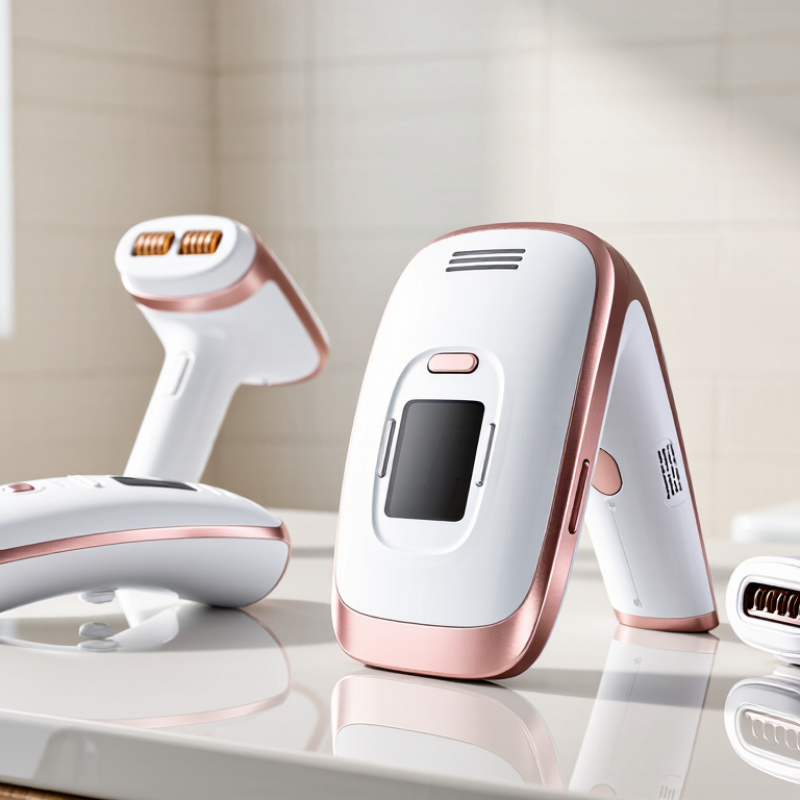
What Hair Removal Devices Are and How They Work
Hair removal devices use controlled light or heat to reduce unwanted hair growth. IPL uses broad-spectrum light, while laser devices use a narrower wavelength. Melanin in the hair absorbs this energy and changes it into heat. The heat weakens the follicle. It does not simply pull hair from the skin.
Light is the mechanism.
Hair grows in different cycles, so one treatment cannot affect every follicle. Several sessions are usually needed, with maintenance later. Grand View Research estimated the global home-use hair removal devices market at about USD 1.2 billion in 2023. Its report also projected double-digit growth through 2030. The figure shows demand, not guaranteed results.
For global buyers, technical details matter more than attractive packaging. Check wavelength, energy level, cooling design, pulse settings, and skin-contact sensors. Skin and hair contrast affects performance. Darker skin may require stricter guidance because excess melanin can absorb more light. Patch testing is sensible. Avoid irritated skin, tattoos, open wounds, and the eye area.
A 2024 Fortune Business Insights report valued the broader laser hair removal market at over USD 1 billion in 2023. It projected strong growth through 2032. Yet market reports mainly track revenue and shipments. They rarely prove equal results for every user. That limitation deserves attention. Regulatory clearance also differs by country, so buyers should verify local requirements and follow the device’s instructions carefully.
| Device Type | How It Works | Best For | Suitable Hair and Skin Considerations | Typical Treatment Pattern | Expected Results | Comfort Level | Key Safety Considerations | Global Buyer Notes |
|---|---|---|---|---|---|---|---|---|
| At-Home IPL Device | Uses broad-spectrum flashes of light. Melanin in the hair absorbs the light, which is converted into heat and may reduce the activity of the hair follicle. | Legs, arms, underarms, bikini area, and other body areas recommended in the user manual. | Usually works best when there is clear contrast between darker hair and lighter skin. Effectiveness is generally limited on very light, red, grey, or white hair. | Often used weekly or every two weeks at the beginning, followed by less frequent maintenance. The exact schedule depends on the device instructions. | Gradual reduction in hair growth. Results are not permanent and maintenance treatments are normally required. | Low to moderate | Use the correct intensity for the skin tone, protect the eyes from flashes, avoid tattoos and heavily pigmented lesions, and follow patch-test guidance. | Check whether the device is legally marketed and supported for the destination country, as permitted skin-tone ranges and labeling can differ. |
| Professional IPL System | Delivers controlled pulses of broad-spectrum light to heat melanin in the hair shaft and follicle. | Large body areas treated by trained professionals, including legs, back, arms, and underarms. | Suitable candidates depend on the system, skin tone, hair color, cooling system, and professional assessment. Darker skin tones require carefully selected settings. | Commonly performed as a series of appointments spaced several weeks apart, because hair responds best during its active growth phase. | Long-term hair reduction is possible, but regrowth and periodic maintenance can occur. | Low to moderate | Professional consultation, appropriate eye protection, cooling, and correct parameter selection are essential to reduce burn and pigmentation risks. | Training requirements, electrical standards, registration, and import rules vary by country. |
| Professional Diode Laser | Uses a concentrated laser wavelength absorbed mainly by melanin in the hair follicle, producing heat that can impair future growth. | Face and body areas requiring professional, targeted treatment. | Often effective for dark hair. Suitability for darker skin depends on wavelength, cooling, device settings, and clinical experience. It is generally ineffective on hair lacking sufficient pigment. | Usually requires multiple sessions separated by several weeks, followed by occasional maintenance when needed. | Long-term hair reduction rather than guaranteed removal of every hair. Results vary with hormones, hair color, area, and skin type. | Moderate | Requires trained operation, eye protection, skin assessment, cooling, and careful management of tanning and photosensitizing medications. | Verify local professional qualifications, device registration, service support, and compatible power requirements. |
| Long-Pulsed Nd:YAG Laser | Uses a longer laser wavelength that penetrates deeper and is absorbed less strongly by surface melanin than some shorter wavelengths. | Professional treatment for hair reduction, including applications involving a wider range of skin tones. | Can be considered for darker skin when operated with suitable settings. Dark, coarse hair usually responds better than fine or lightly colored hair. | Multiple sessions are normally required, with treatment intervals based on the body area and hair-growth cycle. | Long-term reduction may be achieved, but results differ among individuals and maintenance may be necessary. | Moderate | Professional assessment remains necessary. Incorrect settings can cause burns, pigment changes, or eye injury. | The device should be used only where local regulations permit its operation and where qualified service personnel are available. |
| Electrolysis Device | Places a fine probe into an individual follicle and uses electrical energy to destroy the growth center. | Small areas, facial hair, and hair colors that do not respond well to light-based devices. | Can treat many hair colors and skin tones because it does not depend primarily on hair pigment. Treatment is follicle by follicle. | Requires repeated appointments over an extended period because different hairs are active at different times. | Recognized as a permanent hair-removal method when each treated follicle is successfully destroyed, although multiple treatments are usually necessary. | Moderate to high | Strict hygiene, sterile or properly disposable probes, qualified operation, and appropriate aftercare are important to limit infection and skin damage. | Best suited to buyers who prioritize hair-color versatility and are prepared for a slower treatment process. |
| Electric Epilator | Rotating tweezers mechanically grasp and pull multiple hairs from the root. | Legs, arms, and other external body areas where temporary root-level removal is desired. | Works on most hair colors and skin tones. It may be less comfortable on sensitive areas and may cause temporary redness or ingrown hairs. | Used whenever visible regrowth appears, commonly after several days or weeks depending on individual growth. | Temporary smoothness that generally lasts longer than surface shaving, but it does not permanently disable follicles. | Moderate to high | Clean the device, avoid sharing personal attachments, and avoid use on irritated, broken, or infected skin. | A practical option where light-based devices are unsuitable, but it offers no permanent reduction. |
| Electric Shaver or Trimmer | Uses moving blades to cut hair close to or slightly above the skin surface without targeting the follicle. | Quick maintenance of facial hair and body hair, including sensitive areas when the device is designed for them. | Suitable for nearly all hair colors and skin tones. It does not remove hair from the root. | Requires frequent use as hair becomes visible again after surface cutting. | Short-term smoothness or controlled hair length. It does not reduce future hair growth. | Low | Use a clean blade head, avoid excessive pressure, and follow water-resistance instructions where applicable. | Usually the simplest travel-friendly choice, with lower purchase and operating complexity. |
| Wax Heater and Waxing Kit | Warm wax adheres to the hair and removes it from the root when pulled away from the skin. | Large body areas and short-term smoothness when users can follow correct waxing technique. | Works across many hair colors and skin tones, but very sensitive, recently exfoliated, sunburned, or medically treated skin may react poorly. | Repeated whenever regrowth becomes noticeable, often after several weeks. | Temporary hair removal with slower visible regrowth than shaving for many users. | Moderate to high | Test wax temperature, avoid overheating, do not wax compromised skin, and follow restrictions related to retinoids or certain skin treatments. | For international purchases, confirm plug type, voltage compatibility, heating control, and consumable availability. |
| Spring Facial Epilator | A coiled spring catches and pulls individual facial hairs from the root through manual or powered movement. | Small facial areas such as the upper lip, chin, and jawline. | Works on many hair colors and skin tones, but is not intended for large body areas or irritated skin. | Used as facial regrowth appears; frequency varies by hair-growth rate. | Temporary root-level removal without permanent follicle reduction. | Moderate | Clean the spring or head, avoid active acne and damaged skin, and stop if persistent irritation occurs. | Compact and travel-friendly, but less suitable for users seeking fast treatment of large areas. |